Bhutan Festival Tours — Witness the Sacred Tshechu of the Himalayas

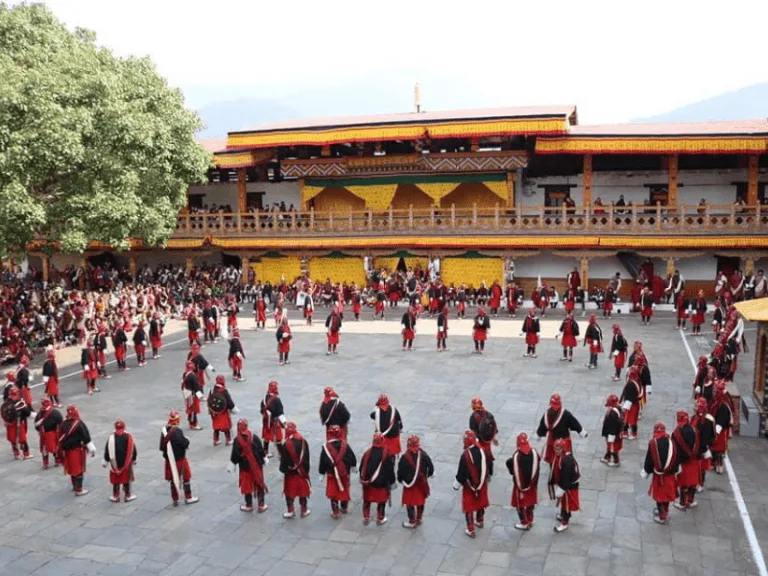
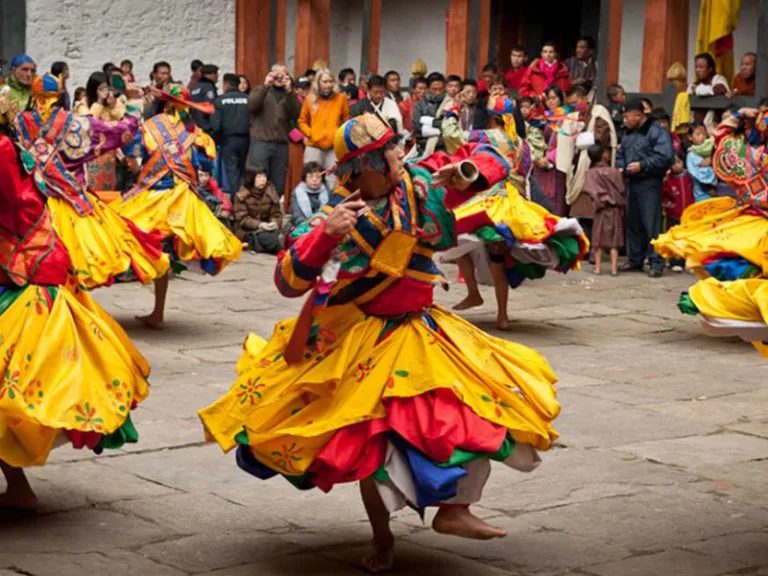
Festivals known as Tshechus are religious celebrations held at monasteries and dzongs throughout the country. During these festivals, monks and local people gather to perform sacred dances, prayers, and rituals that are, in fact, celebrations of the teachings of Guru Rinpoche — the saint who brought Buddhism to Bhutan in the 8th century.

Experience the Most Colorful Festivals of the Himalayas

Bhutan Festival Tours — Where the Whole Kingdom Comes Alive

Festivals known as Tshechus are religious celebrations that take place at monasteries and dzongs throughout Bhutan. During these festivals, monks and local people gather to perform sacred dances, prayers, and rituals — celebrations of the teachings of Guru Rinpoche, the saint who brought Buddhism to Bhutan in the 8th century. At Kingdom of Happiness, we provide travelers with an authentic Bhutan festival tour experience — you will immerse yourself in this special atmosphere, surrounded by the spirit of the festival, endless colorful tradition, and Bhutan’s natural beauty at its best within the Himalayan mountains.

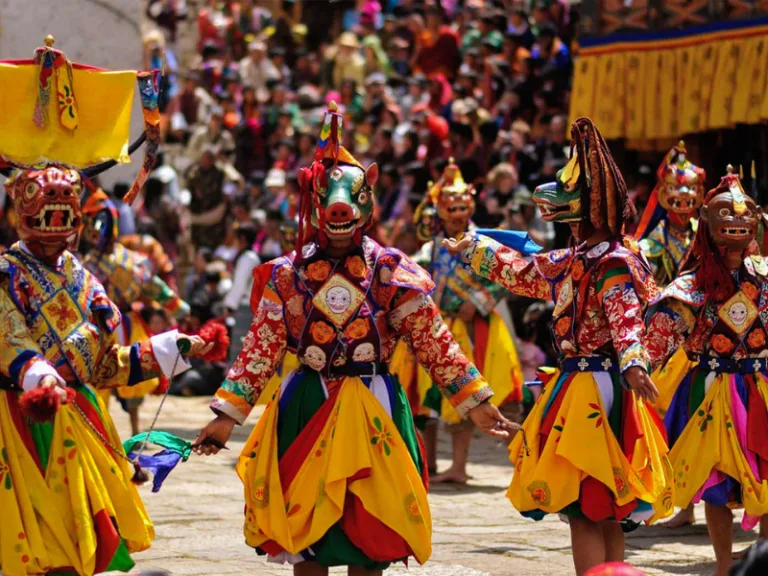
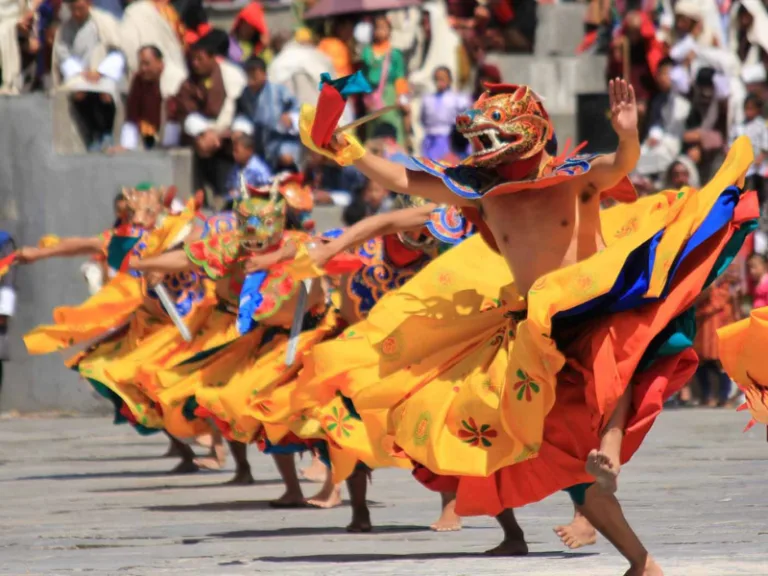
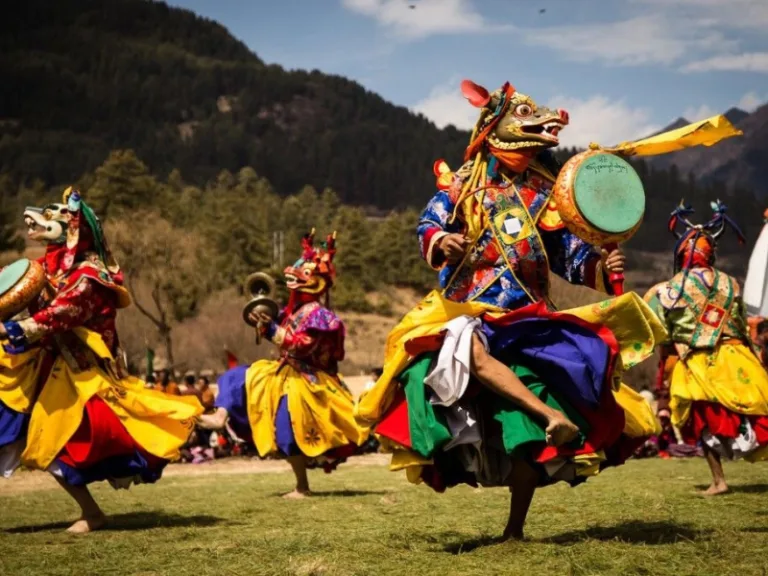
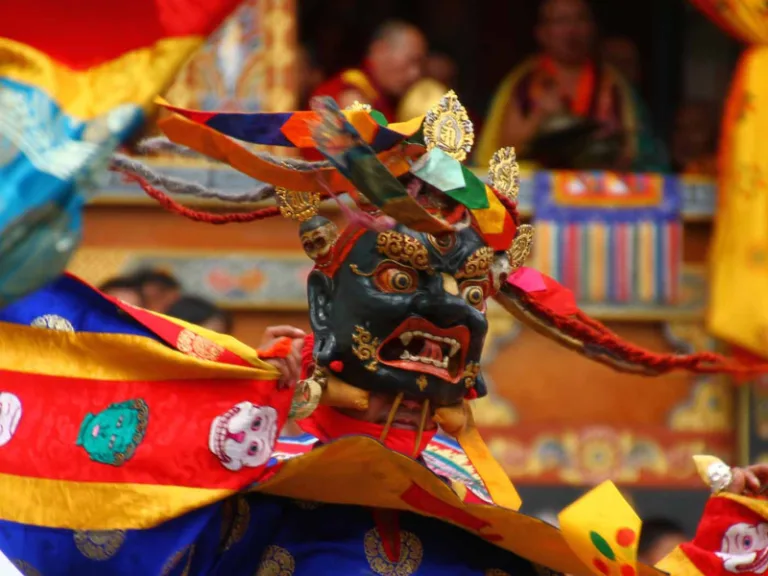
Tshechus are held on auspicious days and months according to the Bhutanese lunar calendar, the specific month varying by location, and typically last 3 to 5 days. The highlight of every Tshechu is the Cham — masked dance rituals performed by monks and laypeople in elaborate brocade robes, reenacting stories of Guru Rinpoche subduing evil spirits and protecting the land. These performances are not staged for tourists. They are genuine religious practice, believed to plant the seed of enlightenment in anyone who witnesses them.

“It’s said that witnessing even a single Cham can plant the seed of enlightenment. Tshechus are not just about individual merit — they’re about collective purification and renewal.”

If you are looking to experience Bhutan when it is alive and exciting, the festival tours to Bhutan are the perfect trip. Festivals bring together people from different villages and regions, creating a lively atmosphere filled with colors, music, and celebration that you simply cannot replicate outside of festival season.

Why Choose Bhutan Festival Tours?

1

Sacred Cham Mask Dances

Witness elaborate, centuries-old dances performed by monks and laypeople honoring Guru Rinpoche — not performances, but living religious practice you are privileged to witness.

2

Traditional Bhutanese Music & Rituals

Drums, cymbals, and long horns accompany every Cham, creating a meditative atmosphere that connects performers and onlookers to centuries of unbroken tradition.

3

Local People in Traditional Clothing (Gho & Kira)

Festivals are when Bhutanese dress in their finest national attire and most resplendent jewelry — a visual spectacle as remarkable as the dances themselves.

4

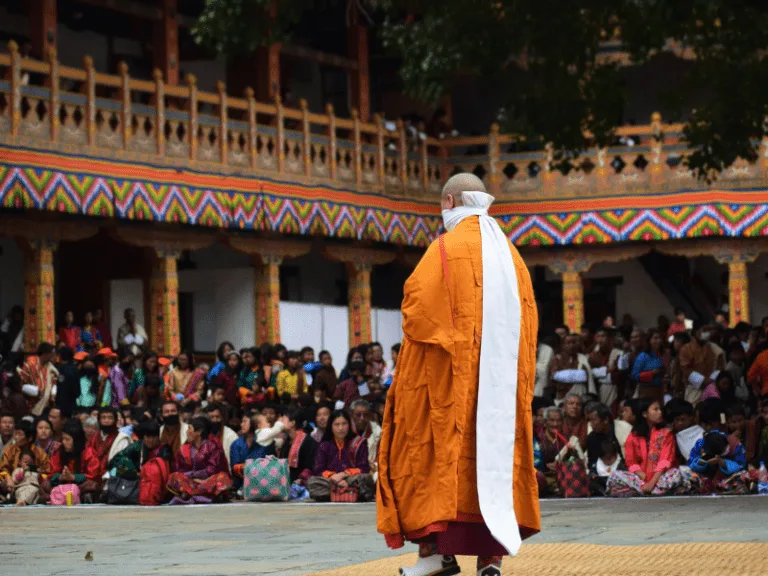
Blessings from Monks & Religious Ceremonies

Many Tshechus culminate in a Thongdrel unveiling — a massive sacred tapestry believed to cleanse the sins of anyone who sees it at dawn.

5

Cultural Markets & Local Food Experiences

Festivals draw vendors and families from across the region, creating vibrant markets and shared picnic meals alongside the sacred performances.

6

Beautiful Monasteries & Historic Dzongs

Every Tshechu unfolds against the backdrop of Bhutan's most architecturally significant fortress-monasteries — centuries-old stages for living tradition.

20+

Festivals Per Year

3–5

Days Per Tshechu

8th C.

Origin of Tradition

2005

UNESCO Heritage (Dramitse)

Understanding the Tshechu

What Is a Tshechu, Really?

The word Tshechu means “tenth day” in Dzongkha — referring to the tenth day of a month in the Bhutanese lunar calendar, the day associated with Guru Rinpoche’s most significant deeds. Tshechus are religious festivals of the Drukpa Lineage of the Kagyu school of Tibetan Buddhism, held in each district (dzongkhag) on its own auspicious date — which is why Bhutan’s festival calendar spans the entire year rather than clustering around one season.

The tradition of mask dance, or Cham, dates back to the 8th century, when Guru Padmasambhava — Guru Rinpoche — is believed to have used these dances to subdue local deities and demons causing illness and misfortune across the Himalayas. Over twelve centuries, the tradition evolved into an elaborate spiritual classroom for Bhutan’s rural communities — a way to convey complex Buddhist teachings through movement and symbol to people who could not read sacred texts.

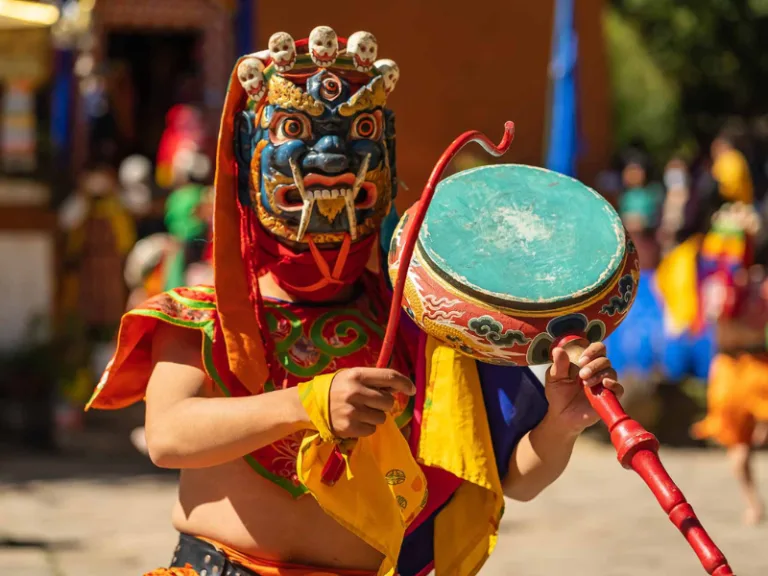
The masks worn during Cham performances are believed to embody the very spirit of the deity portrayed, protecting the performer from evil influence during the dance. Dancers wear long, ornate brocade robes and elaborate masks — some wrathful and fanged, others serene and compassionate — each telling a specific story rooted in Bhutanese Buddhist cosmology.

Most Tshechus culminate in the unfurling of a Thongdrel — a massive silk appliqué tapestry depicting Guru Rinpoche or other sacred imagery, often centuries old. “Thong” means to witness or see; “drel” means to free or release. Seen at dawn, often for only a few brief hours, this unveiling is believed to wash away the sins of anyone who simply looks upon it — making the experience far more than spectacle. It is, for the Bhutanese present, an act of genuine spiritual liberation.

Confirmed Bhutan Festival Calendar 2026

The Complete Bhutan Festival Calendar 2026

Every major Tshechu and cultural festival in Bhutan for 2026, with confirmed dates and locations. Book 4–6 months ahead for major festivals — hotels near festival venues sell out completely.

February
22–28

Major Festival

Punakha Drubchen & Tshechu

Combines a dramatic 17th-century battle reenactment (Drubchen) with the 3-day Tshechu at the stunning river-confluence Punakha Dzong. One of Bhutan’s most visually arresting festivals.

📍 Punakha Dzong, Punakha Valley
March – April
Mar 29 – Apr 2

Most Iconic Festival

Paro Tshechu

Bhutan’s most famous and photographed festival. Five days of sacred Cham at Rinpung Dzong, climaxing in the pre-dawn unveiling of the giant Guru Thongdrel, believed to cleanse the sins of all who witness it.

📍 Rinpung Dzong, Paro Valley
April
13–14

Nature Festival

Rhododendron Festival

Held at Lamperi Royal Botanical Park, celebrating Bhutan’s extraordinary rhododendron diversity — over 46 species found across the kingdom — in full spring bloom.

📍 Lamperi Botanical Park, Thimphu
April – May
Apr 28 – May 2

Intimate & Authentic

Ura Yakchoe

Hidden in Bumthang’s Ura Valley — one of Bhutan’s best-kept secrets. The entire village circumambulates a sacred Guru Rinpoche image dressed in their finest traditional attire. Far fewer tourists than Paro or Thimphu.

📍 Ura Valley, Bumthang
June
18–26

Pilgrimage Festival

Kurjey Lhakhang & Nimalung Tshechu

Held at one of Bhutan’s most sacred pilgrimage sites, where Guru Rinpoche left his body imprint in rock. A deeply spiritual, less-touristed festival in Bhutan’s cultural heartland.

📍 Kurjey Lhakhang & Nimalung, Bumthang
September
19–21

Highland Culture

Haa Summer Festival

Showcases traditional sports, music, nomadic yak herder culture, and food in one of Bhutan’s least-visited valleys — a rare window into highland Bhutanese life.

📍 Haa Valley
September
21–23

Largest Festival

Thimphu Tshechu

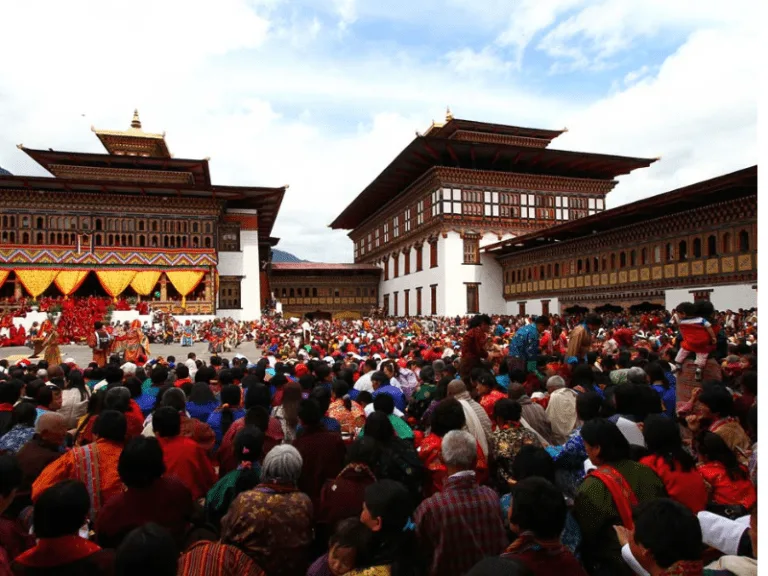
Bhutan’s largest festival, held in the courtyard of Tashichho Dzong — seat of the Royal Government. Three days of elaborate Cham performed by monks and lay dancers, watched by thousands from every corner of the kingdom.

📍 Tashichho Dzong, Thimphu
September
24–26

Crane Valley Festival

Gangtey Tshechu

Set in the stunning glacial Phobjikha Valley beside Gangtey Monastery — combine with autumn scenery before the Black-necked Cranes arrive in November.

📍 Gangtey Monastery, Phobjikha Valley
October
18–21

Living Heritage

Jakar Tshechu

Held at Jakar Dzong in Bumthang, immersing visitors in one of Bhutan’s most historically significant valleys — the kingdom’s spiritual cradle since the 7th century.

📍 Jakar Dzong, Bumthang
October
26–29

Most Otherworldly

Jambay Lhakhang Drup

The most extraordinary festival in Bhutan. Held at one of Bhutan’s oldest temples (659 AD), featuring the Mewang fire ceremony — participants run through a bonfire for purification — and a midnight naked dance performed in total darkness.

📍 Jambay Lhakhang, Bumthang
November
11

Wildlife + Culture

Black-necked Crane Festival

Celebrates the arrival of endangered Black-necked Cranes migrating from Tibet to winter in Phobjikha Valley. Traditional dances, mask performances, and conservation programs combine wildlife and culture uniquely.

📍 Gangtey Monastery, Phobjikha Valley
December
13

Royal Tribute

Druk Wangyel Tshechu

A unique festival held at Dochula Pass honoring the King, with the 108 chortens and a spectacular Himalayan mountain backdrop — established to commemorate Bhutan’s modern military history.

📍 Dochula Pass, Druk Wangyel Lhakhang

Popular Bhutan Festival Tour Experiences

Top Bhutan Festival Tour Packages

Explore Bhutan beyond the ordinary — where adventure meets spirituality. Every package is fully customizable around your chosen festival and travel dates.

8 Days - 7 Nights

Chukha Festival (19th to 21st October, 2026)

Immerse yourself in the spirit of Bhutan at the Chhukha Festival 2026 — culture, faith, and festivity in one unforgettable event.

Chukha

8 Days / 7 Nights

From USD $1,860

9 Days / 8 Nights

Jambay Lhakhang Singye Chham- Bumthang-24th November, 2026

A spiritual spectacle in Bumthang — Jambay Lhakhang Singye Chham, 24th November 2026.

Bumthang, Dochula, Paro, Punakha, Thimphu

9 Days / 8 Nights

From USD $2,180

12 Days / 11 Nights

Mongar Tshechu 17th to 19th November, 2026

Discover the rich traditions of eastern Bhutan at the Mongar Tshechu, 17th–19th November 2026.

Mongar

12 Days / 11 Nights

From USD $2,650

8 Days / 7 Nights

Thimphu Tshechu

Step into the heart of Bhutanese culture at the famous Thimphu Tshechu and experience centuries-old spiritual celebrations.

Thimphu, Dochula, Paro, Punakha

8 Days / 7 Nights

From USD $2,050

8 Days / 7 Nights

Punakha Drubchen

Witness a spectacular battle reenactment and sacred traditions during the legendary Punakha Drubchen.

Dochula, Paro, Punakha, Thimphu

8 Days / 7 Nights

From USD $2,250

8 Days / 7 Nights

Paro Tshechu

Experience the vibrant spirit of Bhutan at the famous Paro Tshechu, where sacred mask dances and colorful traditions come alive.

Paro, Punakha, Thimphu

8 Days / 7 Nights

From USD $2,150

11 Days / 10 Nights

Jakar Festival at Bumthang on 18th Oct to 21st October, 2026

Join the unforgettable Jakar Festival in Bumthang and immerse yourself in Bhutan’s living heritage.

Bumthang, Dochula, Paro, Punakha, Thimphu

11 Days / 10 Nights

From USD $2,280

12 Days / 11 Nights

Pemagatshel Tshechu (18th October - 21st october, 2026)

Celebrate faith and tradition at the Pemagatshel Tshechu — an unforgettable cultural festival in Bhutan.

Bumthang, Paro, Punakha, Thimphu, Trongsa

12 Days / 11 Nights

From USD $2,950

10 Days / 9 Nights

Prakhar Duchhoed-Bumthang (27th to 29th October, 2026)

Celebrate faith, culture, and community at Prakhar Duchhoed — an unforgettable festival experience in Bhutan.

Bumthang, Dochula, Paro, Punakha, Thimphu

10 Days / 9 Nights

From USD $2,150

What You Will Experience During Bhutan Festival Tours

A Once-in-a-Lifetime Cultural Immersion

Travelers have a once-in-a-lifetime opportunity to experience the tangible culture and spiritual heritage of the Himalayan kingdom of Bhutan through the Bhutan Festival Tours. There are many Tshechu (meaning “religious festival”) held in monasteries and dzongs across Bhutan, and your tour guide will ensure that you are able to experience first-hand the color and pageantry of these cultural events — chat with the local participants, and understand more about Bhutan’s spiritual heritage.

Sacred Mask Dances

One of the most special experiences during a Bhutan festival tour is watching the traditional Cham (mask dances) performed by monks and trained dancers. These dances represent Buddhist teachings, stories of good overcoming evil, and the life of Guru Rinpoche. The dancers wear colorful costumes and masks while performing to traditional music — drums, cymbals, and long horns creating a meditative, otherworldly atmosphere that no description can fully prepare you for.

Most festivals are held in famous fortress monasteries called dzongs. Travelers will visit sacred places such as:

  • Paro Rinpung Dzong

  • Tashichho Dzong

  • Punakha Dzong

These places offer stunning architecture, spiritual atmosphere, and beautiful Himalayan scenery.

Festivals are important social gatherings for Bhutanese communities. Local people come dressed in their traditional clothes such as Gho for men and Kira for women. Visitors can interact with locals, take photos, and experience authentic Bhutanese hospitality.

Many travelers join Bhutan festival tours to receive spiritual blessings from monks and religious masters. Watching the sacred dances and visiting temples is believed to bring good fortune and positive energy.

During some festivals, a giant sacred religious painting called a Thongdrel is displayed at dawn. Seeing this rare and sacred artwork is believed to cleanse sins and bring blessings to those who witness it.

Visitors can taste authentic Bhutanese dishes during the festival tour such as:

  • Ema Datshi (chili and cheese)

  • Phaksha Paa

  • Red Rice

Local markets during the festivals also offer snacks, handicrafts, and souvenirs.

Festival tours also include visits to traditional villages, cultural landmarks, and local markets. Travelers can learn about Bhutan’s unique way of life, handicrafts, and traditions that have been preserved for centuries.

Apart from festivals, the tour also includes sightseeing in Bhutan’s most beautiful valleys and cultural destinations such as:

  • Paro Valley

  • Thimphu

  • Punakha

  • Bumthang

These destinations offer breathtaking Himalayan scenery, ancient temples, and peaceful countryside.

Festival Etiquette — How to Be a Respectful Guest

Bhutan Festival Etiquette

Tshechus are sacred religious events, not staged performances. Following these simple guidelines ensures your presence honors the occasion.

✓ What to Do

  • Dress modestly — long pants/skirts and covered shoulders. Many travelers choose to wear a Kira or Gho out of respect; ask your guide if this is appropriate for the specific festival.
  • Arrive early — the best viewing positions and the Thongdrel unveiling both require pre-dawn arrival at major festivals.
  • Ask your guide before photographing performers up close, especially during sacred rituals.
  • Make a small donation at the offering box if you wish to participate in the spiritual exchange of the day.
  • Sit where directed by festival organizers — specific areas are reserved for monks, officials, and locals.
  • Stay for the full sequence of dances if possible — each Cham builds meaning into the next.

✗ What to Avoid

  • Never use flash photography during Cham performances — it disrupts both performers and the sacred atmosphere.
  • Do not touch performers, masks, or costumes — these are considered to embody sacred energy during the dance.
  • Avoid walking in front of seated monks or blocking the dance arena, even briefly, while performances are underway.
  • Don’t wear shorts, sleeveless tops, or revealing clothing — even in warm festival weather.
  • Avoid loud conversation or phone use during sacred rituals — this is a place of devotion, not entertainment.
  • Never attempt to enter restricted dzong interiors without your guide’s explicit confirmation it is permitted.

What Our Travelers Say

Real Stories from Real Festival Travelers

Real travelers. Real stories. Real reasons to trust us.

Why Travel with Kingdom of Happiness?

Why Choose Bhutan Festival Tours With Us?

At Kingdom of Happiness, we specialize in authentic Bhutan Festival Tours designed for international travelers. We help travelers experience Bhutan not just as tourists, but as guests welcomed into Bhutanese culture.

Professional Local Guides

Our guides don’t just translate what’s happening — they explain the spiritual and historical significance of every dance, transforming spectacle into genuine understanding throughout the entire festival.

Customized Festival Tour Packages

Every itinerary is built around your specific chosen festival and dates — combined with cultural sightseeing, trekking, or luxury stays exactly how you envision your trip.

Comfortable Hotels & Transportation

We secure festival-proximate accommodation early — critical, since hotels near Paro and Thimphu Tshechu venues sell out 4–6 months in advance. Private vehicle and driver included throughout.

Authentic Cultural Experiences

We don’t stop at the dance arena. Farmhouse meals, market visits, and conversations with local participants give you a complete picture of Bhutanese festival life beyond the performances.

Personal Support from Arrival to Departure

Festivals are crowded and logistically complex by nature. Our team is present and responsive throughout — adjusting plans for weather, crowd timing, or personal preferences without missing a beat.

DOT Licensed Since 2018

Department of Tourism License. Every festival permit, viewing arrangement, and government requirement is handled through fully compliant, verified channels.

Frequently Asked Questions About Bhutan Festival Tours

Honest answers from our Bhutanese festival team.

A Tshechu is a sacred Bhutanese Buddhist festival held annually at dzongs and monasteries across Bhutan, honoring Guru Rinpoche, the saint who introduced Buddhism to Bhutan in the 8th century. Tshechus feature elaborate Cham mask dances performed by monks and laypeople, lasting 3–5 days, and often culminate in the unveiling of a giant Thongdrel tapestry believed to cleanse the sins of those who view it.


The Paro Tshechu 2026 takes place from March 29 to April 2, 2026, at the historic Rinpung Dzong in Paro Valley. The most sacred moment occurs on the final morning before sunrise, when the giant Guru Thongdrel tapestry is unveiled.

For your first visit, choose Paro Tshechu — the most iconic and visually spectacular festival, with the Thongdrel unveiling as its centerpiece. For the largest festival with easiest logistics, choose Thimphu Tshechu. For unique rituals, consider Punakha Drubchen (battle reenactment) or Jambay Lhakhang Drup (fire-blessing ceremony).

Yes — there is a small entry fee, typically around $12 USD per person per day, in addition to your standard SDF and tour package costs. This fee is included in our festival tour quotes, so there are no surprise charges on arrival.

Absolutely — and many travelers do. A popular combination is a festival visit plus a short trek (such as Druk Path) before or after, or a festival tour at a luxury lodge like Amankora or Six Senses. Tell us your festival of interest and we’ll design the complete itinerary around it.

Modest dress is required — long pants or skirts below the knee and covered shoulders. Many travelers choose to wear a Kira (women) or Gho (men), Bhutan’s national dress, out of respect for the occasion — we can arrange rental through local tailors if you’d like this experience. Comfortable, weather-appropriate layers underneath are recommended, as pre-dawn festival arrivals can be cold even in spring and autumn.

Book Your Bhutan Festival Tour

Bhutan’s festivals are among the most unique cultural experiences in the world. The vibrant dances, spiritual ceremonies, and colorful traditions create unforgettable memories for every traveler. Join Kingdom of Happiness and experience the magic of Bhutan’s festivals.

 
Book Your Bhutan Festival Tour

Book Your Bhutan Festival Tour

Complete the form and our festival specialist team will respond within 24 hours with a personalized itinerary and transparent cost breakdown — completely free, no obligation. We secure your festival-proximate accommodation early, before the rush.

Book My Festival Tour

Free personalized itinerary & quote in 24 hours