
Bhutan’s Hidden Frontier · Opened to Tourists Only in 2002
Where twin sacred temples guard an ancient valley, three mountains watch over nomadic herders, and Bhutan feels more genuine, more remote, and more itself than almost anywhere else in the kingdom.
Introduction
Haa Valley: Bhutan's Most Authentic Hidden Gem
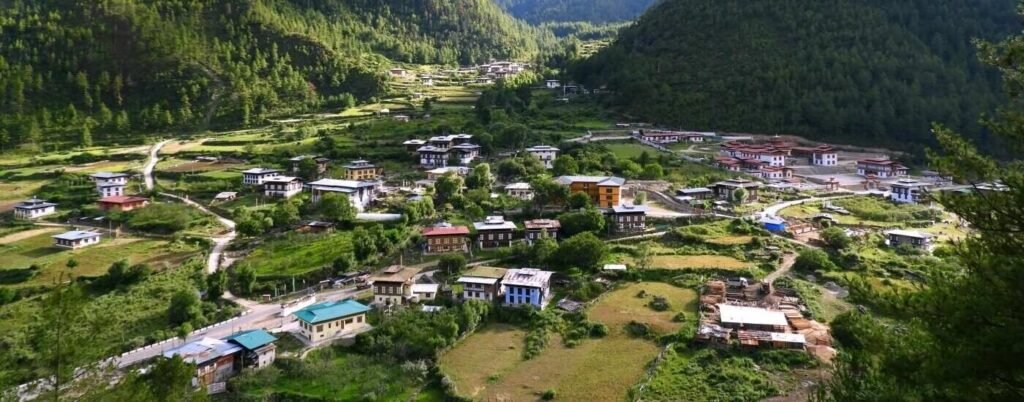
There is a place in western Bhutan that feels as though time has simply declined to move on. Where the mountains are guardians with names, the twin temples are older than the kingdom itself, and the people — the Haaps, as they are known — maintain a way of life connected to the rhythms of the land, the seasons, and the ancient deities of the valley in ways that tourism has barely touched. This place is Haa Valley.
Situated in the far southwest of Bhutan, bordered by Tibet to the north, Haa is Bhutan’s smallest district (Dzongkhag) by population and one of its least visited — deliberately, and deliberately preserved as a result. The valley was closed to international tourists until 2002, and even today sees only a fraction of the visitors that Paro, Thimphu, or Punakha attract. That isolation is Haa’s greatest gift. It means you encounter Bhutanese village life as it has been lived for centuries — not curated, not filtered, but real and warm and wonderfully unhurried.
When you arrive in Haa, you stop reaching for your phone. The mountains demand your full attention. The silence asks something of you. And by the time you leave, you realise that Haa didn’t give you a travel memory — it gave you a reckoning.
In 2025, BBC Travel recognised Haa Valley as one of the world’s Top 25 Best Places to Visit — finally shining an international spotlight on a destination that the Bhutanese have always quietly treasured. Reached via the breath-taking Chele La Pass (3,988 m) — the highest motorable road in Bhutan — Haa is also a gateway to some of the kingdom’s finest trekking terrain, the site of twin 7th-century temples, and home to Bhutan’s most distinctive nomadic festival. At Kingdom of Happiness Tours, we believe Haa Valley is the experience that completes every Bhutan journey.
Name & Identity
What Does "Haa" Mean?
The name “Haa” carries multiple layers of meaning and legend. One of the most charming accounts says the name derives from the exclamation of surprise — “Haa!” — that visitors made when they first glimpsed the extraordinary constellation of the twin temples in the valley. In Bhutanese, “ha” also carries connotations of something hidden or secret. The valley is sometimes called the “Hidden-Land Rice Valley” — though rice is not actually a staple crop here (the name recalls an older era when the valley was a concealed, protected land, rich and secret).
Haa is overlooked by three tapering peaks known as Meri Puensum (literally “Three Brothers”) — sacred mountains that represent the three great Bodhisattvas: Jambayang (Manjushri, God of Wisdom), Chana Dorji (Vajrapani, God of Power), and Chenrizig (Avalokiteshvara, God of Compassion). These three mountains are the spiritual guardians of Haa Valley and their silhouette defines the valley’s identity.
1706
2,670m
3,988m
2002
65km
7th C
History
The History of Haa Valley
Haa Valley’s history is a tapestry of sacred legend, strategic geography, and careful isolation — each thread explaining why this valley feels so different from the rest of Bhutan.
Tibetan King Songtsen Gampo — the same king who built Kyichu Lhakhang in Paro and Jambay Lhakhang in Bumthang — constructs the twin temples of Lhakhang Karpo (White Temple) and Lhakhang Nagpo (Black Temple) in the Haa Valley as part of his mission to build 108 temples in a single day to subdue a demoness obstructing Buddhism. These are among the oldest surviving Buddhist temples in Bhutan.
Guru Rinpoche (Padmasambhava) visits the Haa Valley during his journey through Bhutan, consecrating the valley with his presence and blessing its sacred sites. A rock near the White Temple bears the imprint of Guru Rinpoche's body and hat — a sacred relic that pilgrims still venerate to this day.
The Haa Wangchuk Lo Dzong (also called Haa Dzong) is constructed in 1915 as an administrative fortress — one of the newest dzongs in Bhutan. Its large square form with battered, inward-sloping walls dominates the valley. Today it serves as both an administrative centre and a military base.
Haa's location on the Tibetan border gives it significant strategic importance. The valley becomes home to a permanent Indian military presence — the Indian Military Training Team (IMTRAT) — stationed in Haa to support Bhutan's border security in collaboration with the Royal Bhutan Army. This presence explains why the valley was closed to tourists for much of the 20th century.
Haa Valley is finally opened to international tourists in 2002 — one of the last regions of Bhutan to allow visitor access. Its decades of isolation have preserved its traditional character in a way found almost nowhere else in the kingdom.
BBC Travel includes Haa Valley in its Top 25 Best Places to Visit in 2025 — international recognition of what Bhutanese travellers have always known: Haa is extraordinary. A new "Haa Panorama Hiking Trail" is also developed, linking several village monasteries across the valley's ridges.
Gateway to Haa
Chele La Pass: The Highest Road in Bhutan
The journey to Haa Valley begins with one of the most spectacular road experiences in the entire Himalayas: the crossing of Chele La Pass (Chelela Pass) — at 3,988 metres above sea level, the highest motorable road pass in Bhutan. Located approximately 26 km from Haa town and 35 km from Paro, the pass sits on the boundary between the Paro and Haa valleys and is one of the most breathtaking viewpoints in the kingdom.
The drive up to the pass from Paro winds through a forest of blue pine, fir, and oak that transitions to sub-alpine scrub and finally to the open, wind-swept ridgeline of the pass itself. The summit is festooned with an extraordinary density of colourful prayer flags — thousands of them, strung from poles and trees in every direction, creating a fluttering, crackling canopy of colour. On clear days (best in October–November and March–May), the pass rewards visitors with a jaw-dropping panoramic view of the Himalayan range, including the imposing bulk of Mount Jomolhari (7,326 m) and the dramatic spike of Jichu Drake (6,989 m) — two of the most sacred and beautiful peaks in Bhutan.
The pass is also a popular pilgrimage site for Bhutanese families, who drive up on weekends and holidays for picnics, prayers, and the simple pleasure of spectacular mountain air. In spring (April–May), the hillsides below the pass burst into bloom with rhododendrons in red, pink, and white — one of the most beautiful seasonal displays in the country. And for those who know where to look, this is the only place in the world where the rare Meconopsis Superba (White Blue Poppy) grows — an extraordinary and ghostly white flower found only in the Haa region.
🏔 Chele La Pass — Essential Visitor Notes
Altitude:
3,988 m — bring warm clothing even in summer; temperature drops sharply at the pass.
Best views:
Early morning on clear days in October–November or March–May.
Time from Paro:
Approximately 1.5 hours by road.
Time from Haa:
Approximately 1 hour by road.
Stop for:
Panoramic Himalayan views, prayer flags, wildflowers (spring), and the Druk Wangyel Lhakhang temple nearby. Allow 30–45 minutes at the pass itself.
Sacred Sites
Lhakhang Karpo & Lhakhang Nagpo: The Twin Temples of Haa
At the spiritual heart of Haa Valley stand two temples that are inseparable in legend, location, and meaning — the White Temple (Lhakhang Karpo) and the Black Temple (Lhakhang Nagpo). Together, they are the most sacred sites in Haa and among the oldest surviving Buddhist structures in Bhutan.
🕊 The Legend of the Two Pigeons
Both temples are said to have been built in the 7th century CE by the great Tibetan King Songtsen Gampo — the same king responsible for Kyichu Lhakhang in Paro and Jambay Lhakhang in Bumthang — as part of his legendary mission to construct 108 temples in a single day to subdue a demoness obstructing the spread of Buddhism across the Himalayas. To find auspicious locations for the temples in Haa Valley, the king is said to have released two sacred pigeons from his heart — one white and one black. Where the white pigeon landed, Lhakhang Karpo was built. Where the black pigeon came to rest, Lhakhang Nagpo was constructed. Both temples were later visited and blessed by Guru Rinpoche in the 8th century.
⬜ Lhakhang Karpo — The White Temple
Standing at the foothills of the three sacred Meri Puensum mountains, Lhakhang Karpo (literally “white temple”) is the primary temple of Haa Valley and the main seat of the valley’s beloved guardian deity, Ap Chhundu. The temple’s simple white facade, painted wooden windows, and traditional Bhutanese architecture have a serene and timeless beauty. Outside the temple stands a sacred chorten that bears the imprint of Guru Rinpoche’s body and hat — one of the most venerated relics in the valley. The temple hosts the annual Moenlam Chenmo — a week-long prayer festival dedicated to peace and enlightenment. Lhakhang Karpo has been recently renovated while preserving its historic character.
⬛ Lhakhang Nagpo — The Black Temple
Just a short walk north of Lhakhang Karpo, the Black Temple is a place of deep mysticism and ancient power. According to legend, it was built upon a lake — and an opening in the temple’s floor leads down to the underground lake beneath, said to be home to a water spirit or mermaid (tshomen) who guards the site. Lhakhang Nagpo serves as the seat of the valley’s formidable guardian deity Da Do Chen — associated with tantric power and protection. Unlike Lhakhang Karpo, the Black Temple has no residential monks — only a solitary caretaker monk and his famously fierce dog. A sacred oak tree stands nearby as another venerated natural landmark. The atmosphere is intensely otherworldly — dark, quiet, and powerfully atmospheric in a way that conventional sacred sites rarely achieve.
🙏 Visiting Tips for the Twin Temples
Both temples are in the village of
Dumchoe (Damchoe)
in the lower Haa Valley. Remove shoes at every temple entrance. Dress modestly. The Black Temple’s lone caretaker is accustomed to respectful visitors; your guide will facilitate. Do not enter restricted inner rooms without explicit permission. A butter lamp offering at each temple is a meaningful gesture of respect. Allow 1.5–2 hours for both temples.
Sacred Mountains
Meri Puensum: The Three Guardian Brothers
Above every village, temple, and farmhouse in Haa Valley, three peaks rise in a distinctive row — tapering, close together, their slopes cloaked in forest. These are the Meri Puensum — “Three Brothers” in Dzongkha — and they are the most sacred natural landmarks in the Haa region. More than mountains, they are considered the embodiment of three great Bodhisattvas:
The first peak represents Jambayang (Manjushri) — the Bodhisattva of Wisdom, who cuts through ignorance with his sword of insight. The second represents Chana Dorji (Vajrapani) — the Bodhisattva of Power, who wields the thunderbolt of enlightened energy. The third represents Chenrizig (Avalokiteshvara) — the Bodhisattva of Compassion, whose thousand arms reach out to alleviate all suffering.
The Meri Puensum are not merely symbolic — they are actively venerated. The annual Ap Chhundu festival (Bho-Yak) celebrates the birthday of Haa’s guardian deity with elaborate processions and mask dances at the White Temple below the mountains. For visitors, the view of the three peaks from the valley floor — especially at dawn, when the first light catches their summits while the valley below is still in shadow — is one of the most quietly magnificent sights in Bhutan.
Top Attractions
Top Attractions in Haa Valley
01
Haa Dzong (Wangchuk Lo Dzong)
Built 1915 · Administrative Fortress · Valley Centrepiece
The Haa Wangchuk Lo Dzong is one of Bhutan’s newest but most imposing dzongs — a large, square fortress built in 1915 with characteristic battered inward-sloping walls and traditional Bhutanese architectural detailing. Today it functions as both the administrative centre of Haa District and a military base in partnership with the Royal Bhutan Army. Visitors can admire the dzong from the valley floor and surrounds, taking in its commanding position and relationship to the landscape. The dzong is the venue for the annual Haa Summer Festival celebrations and serves as the symbolic heart of the valley’s administrative life. Around the dzong, Haa town provides a charming example of a small, authentic Bhutanese highland community.
02
Shelkar Drak Lhakhang — Haa's Cliffside Monastery
Cliffside Monastery · Historical Site · Hidden Gem
Tucked into the southern slope of the Avalokiteshvara Hill within the Haa Valley, Shelkar Drak Lhakhang is one of the valley’s most extraordinary and least-known sacred sites — often compared to Tiger’s Nest in Paro for the way its architecture merges seamlessly with the cliff face. The name means “White Crystal Cliff” — a nod to its whitewashed facade and organic integration with the rocky hillside. The precise age of the site is unknown, but historical records document its significance as a retreat for important spiritual figures, including Choglay Jigme Tenzin, the sixth Sungtrul of Zhabdrung Rinpoche. The approach requires a short hike, rewarding visitors with extraordinary valley views and an atmosphere of genuine sacred solitude.
03
Yangthang Village — Traditional Haa Life
Traditional Village · Homestay · Starting Point for Haa Panorama Trail
Located in the upper reaches of the Haa Valley, Yangthang Village is one of the most beautiful and authentic traditional communities in the region — its old stone farmhouses, prayer wheels, and village monastery unchanged in their essential character for centuries. Yangthang is also the starting point of the celebrated Haa Panorama Hiking Trail (from Yangthang Monastery at 2,990 m), and a popular base for village homestays that give visitors direct experience of Haap rural life. The surrounding landscape — wide meadows, pine forests, and the ever-present backdrop of the Meri Puensum — makes Yangthang one of the most photographically rewarding places in western Bhutan.
04
Haa Panorama Hiking Trail
New Hiking Trail · Monastery Circuit · 11 km · 5–6 Hours
Perched on a ridge between the Punakha and Wangdue Phodrang valleys, the Sangchhen Dorji Lhuendrup Nunnery is one of Bhutan’s most beautiful and serene hilltop religious sites. The nunnery — home to dozens of nuns pursuing Buddhist studies and practice — commands breathtaking views across both valleys and toward the Himalayan peaks to the north. The complex includes a striking statue of Avalokitesvara and is renowned for its peaceful, contemplative atmosphere. For visitors seeking a quieter, more meditative experience away from the crowds, this nunnery is a hidden treasure of the Punakha valley.
05
Jangkhakha Village & Surrounds
Tourism Hub · Nature Walks · Butterfly Tours · Mountain Biking
Jangkhakha has emerged as the primary tourism activity hub of Haa Valley — a picturesque village from which multiple experiences radiate. The village offers nature walks through its surrounding forest, hikes to Jamtoe Goenpa and Yangto Goenpa, birdwatching trails, butterfly identification tours in summer, mountain biking routes, and easy picnic-friendly meadow walks. Jangkhakha is also the starting point for the famous Haa–Paro Sagala Trek — one of the most celebrated multi-day treks in western Bhutan. The Lechuna Heritage Lodge near Jangkhakha is one of the finest accommodation options in the valley.
06
Haa Valley Villages & Nomadic Herder Communities
Cultural Immersion · Authentic Bhutan · Nomadic Life
What makes Haa Valley most special cannot be found in any single building or viewpoint — it is the people. The Haaps have maintained a lifestyle connected to herding, farming, and ancient community traditions that has been preserved by decades of isolation. In the higher valleys and alpine meadows, nomadic yak herders still move with their herds between summer and winter pastures, living in traditional yak-hair tents and stone huts. In the lower villages, organic farming of barley, wheat, potatoes, and apples continues much as it always has. Village homestays in Haa — staying with a local family, sharing their food (especially the uniquely Haa dish of Hoentey), sitting by their fire — offer the most intimate and genuine cultural experience available anywhere in Bhutan.
Festival of the Nomads
Haa Summer Festival 2026
There is no building in Bhutan — and arguably few in all of Asia — more awe-inspiring than Punakha Dzong. Its full name, Pungthang Dewachen Phodrang, translates as “The Palace of Great Happiness,” and that name was earned. Built in 1637 at the precise point where the Pho Chhu (Male River) and the Mo Chhu (Female River) converge to form the Puna Tsang Chhu, the dzong rises from the water like a vision — its massive white walls, golden roofs, and soaring central tower (utse) reflecting in the shimmering rivers below.
🗓 September 19–21, 2026 (3 Days)
Haa Summer Festival — Bhutan’s Festival of Nomadic Life
📍 Chorten Karpo, Haa Valley
The Haa Summer Festival is one of Bhutan’s most joyful, authentic, and distinctive celebrations — an annual event unlike any festival in the kingdom and arguably in the Himalayas. While most Bhutanese festivals are centred on Buddhist religious ceremony, the Haa Summer Festival celebrates something equally profound: the living culture of Bhutan’s nomadic herders — the Haaps and their unique traditions of the high alpine valleys. Set among pristine mountains, the festival is a multi-day immersion in folk culture, traditional sports, ancient cuisine, and the spirit of a community that has never stopped moving with the seasons.
The festival’s programme is extraordinary in its breadth and authenticity. Yak Cham — sacred mask dances performed with costumes and masks representing deities and yaks — are performed alongside purely local folk traditions rarely seen outside the valley. Traditional sports such as archery (Datse), Khuru (Bhutanese dart throwing), and Soksum (javelin throwing) are demonstrated and open to visitor participation. Master craftspeople — weavers, sculptors, and thangka painters — demonstrate their arts. And the food: this is the only festival in Bhutan where you can taste the full range of Haa’s extraordinary nomadic cuisine — from Hoentey (buckwheat dumplings stuffed with turnip leaves and dried cheese) to Yaksha Kam (dried yak meat), Khuley (buckwheat pancakes), Puta (buckwheat noodles), and locally brewed ara (spirit), all while surrounded by the breathtaking landscape of the Haa Valley.
The festival is also a showcase of alpine flower diversity — the Haa highlands host some of the most extraordinary wildflower displays in Bhutan, and the festival season (September) coincides with the last of the summer blooms. For visitors, the Haa Summer Festival represents the most immersive single-day experience of Bhutanese rural culture available anywhere in the kingdom. Book well in advance — accommodation in Haa is limited and fills completely during the festival.
Other Haa Festivals Worth Knowing
Bho-Yak / Ap Chhundu Festival: The birthday celebration of Haa’s guardian deity Ap Chhundu — featuring colourful processions, mask dances, and the most elaborate traditional ceremony in the valley’s calendar. Dates follow the Bhutanese lunar calendar.
Lomba (Haap New Year): The Haap version of Losar (Bhutanese New Year), celebrated with thanksgiving for the harvest, traditional games, special foods including Hoentey, and the greeting “Lolay!” (Happy New Year in Haap dialect). An intimate, community celebration most visitors never witness.
IMTRAT Mela: The annual fair organised to celebrate the friendship between Bhutan and India — featuring daredevilry stunts by Indian military performers, local food stalls, folk dances, and a showcase of Haap traditional products.
Adventure & Trekking
Trekking in Haa Valley
Haa Valley is one of Bhutan’s premier trekking destinations — a fact that remains largely unknown to casual visitors but is well established among serious trekkers and adventure travelers. The combination of dramatic mountain terrain, remote valleys, ancient monastery routes, and pristine wilderness makes Haa one of the most rewarding trekking bases in the kingdom.
| Trek / Trail | Duration | Difficulty | Highlights |
|---|---|---|---|
| Haa Panorama Hiking Trail | 5–6 hours (day) | Easy–Moderate | 11 km; Yangthang to Wangtsa via 3 gompa; panoramic Meri Puensum & Himalayan views; pine forest and alpine meadows |
| Haa–Paro Sagala Trek | 2–3 days | Moderate | Classic western Bhutan trek over the Sagala Pass (4,500+ m); connects Haa to Paro through remote highland terrain and forest; stunning high-altitude views |
| Nub Tshonapata Trek | 3–4 days | Moderate–Hard | Remote high-altitude lakes (Nub Tshonapata); pristine wilderness; snow possible; exceptional for experienced trekkers seeking genuine solitude |
| Jangkhakha to Jamtoe Goenpa Hike | 2–3 hours round trip | Easy | Short hike from Jangkhakha village to ancient hillside monastery; valley views; forest trail |
| Chele La Pass Walk | 1–2 hours | Easy | Short ridge walk from the pass through alpine meadows and prayer flag forests; wildflowers in spring |
| Haa Valley Village Walk | 3–4 hours | Easy | Guided walk through Haa's traditional villages, farmhouses, and temple precincts; cultural immersion at its best |
🥾 Haa Valley Trekking Tips
- The Sagala Trek is the crown jewel. The 2–3 day Haa–Paro Sagala Trek crosses a 4,500+ metre pass and is one of the most dramatic and scenically rewarding treks in western Bhutan. It requires moderate fitness and clear weather — Kingdom of Happiness Tours plans this route with weather-appropriate timing.
- The Haa Panorama Trail is for everyone. At 11 km over gentle terrain, the Panorama Trail is the ideal introduction to Haa’s landscape — manageable for families with children and older travelers, yet scenically extraordinary.
- Acclimatise before high-altitude treks. The Sagala and Nub Tshonapata treks reach above 4,000 m. Spend a day in Haa (2,670 m) before ascending.
- No infrastructure on longer routes. The Sagala Trek has no rest houses or restaurants along the route — carry everything you need. Kingdom of Happiness Tours provides full logistical support including horses, camping equipment, cook, and guide.
- Best trekking season: March–May and September–November. Avoid the monsoon (June–August) for multi-day treks, though day hikes in the valley remain pleasant.
- Birdwatching is exceptional on all trails. Haa’s forests host outstanding Himalayan bird diversity — pheasants, laughing thrushes, woodpeckers, and many speciality species are regularly seen on the Panorama Trail and Jangkhakha routes.
Food & Nomadic Cuisine
Haa Food: Buckwheat, Yak & Ancient Recipes
Haa Valley has its own distinct culinary tradition — shaped by the cold highland climate, the nomadic herding culture, and a diet centred on buckwheat, yak, and locally foraged ingredients. Haa’s food is arguably the most distinctive and authentic regional cuisine in Bhutan, and the Haa Summer Festival is the best place to experience it in full.
🥟 Hoentey
The iconic dish of Haa — buckwheat dumplings stuffed with dried turnip leaves (spinach) and local cheese or dried yak meat. Dark, dense, and deeply savoury. The definitive Haap food experience.
🥞 Khuley (Buckwheat Pancake)
Thick, grey-brown pancakes made from buckwheat flour — the Haa version of a staple found across Bumthang. Served with honey, butter, or chilli paste. A hearty breakfast essential.
🍜 Puta (Buckwheat Noodles)
Thick buckwheat noodles stir-fried or served in broth with local vegetables and fried egg. The buckwheat flavour is nuttier and more pronounced in Haa than anywhere else in Bhutan.
🥩 Yaksha Kam (Dried Yak Meat)
Air-dried yak meat — intensely flavoured and almost jerky-like. A nomadic food that travels well and keeps through the harsh winter. Rich in protein and utterly distinctive.
🌶 Ema Datshi (Haa Version)
The national dish made with Haa’s own high-altitude chilies and local yak cheese — the cold climate produces chilies with exceptional heat and flavour, and the yak cheese adds richness unavailable at lower altitudes.
🍵 Suja (Butter Tea) & Ara
Yak-butter tea is the daily drink of Haa — thick, salty, and warming in the mountain cold. Ara (local spirit distilled from barley or wheat) is the social lubricant of every festival and family gathering.
Haa’s cuisine is best experienced through a village homestay — a family meal in a Haap household, cooked on a wood-fired stove with ingredients from the farm, served on traditional wooden plates beside a bukhari stove. Kingdom of Happiness Tours arranges authentic homestay meals as part of all Haa Valley itineraries.
Wildlife & Flora
Wildlife & the White Blue Poppy
Haa Valley and its surrounding Himalayan terrain support a remarkable range of wildlife — most of it unseen by casual visitors but present in the forests and high meadows for those who walk quietly and look carefully. The valley borders the Jigme Khesar Strict Nature Reserve and benefits from the extraordinary conservation ethos that keeps 72% of Bhutan forested and over 51% formally protected.
Wildlife recorded in and around Haa includes snow leopard, Himalayan black bear, red panda, barking deer (muntjac), sambar, serow, and numerous bird species including several Himalayan pheasants, eagles, and forest specialists. The upper meadows and alpine zones above 3,500 m host extraordinary butterfly diversity in summer — the Jangkhakha area is now a recognised butterfly-watching destination, with guided tours available.
🌺 Meconopsis Superba — The White Blue Poppy of Haa
Bhutan’s national flower is the Blue Poppy (Meconopsis grandis) — a vivid indigo-blue flower that grows in high-altitude meadows across the kingdom. But Haa Valley is home to something even rarer: Meconopsis Superba — the White Blue Poppy, a ghostly, luminous white variety of the blue poppy found only in the Haa Valley region and nowhere else on earth. The discovery and preservation of this extraordinary plant has added yet another layer of uniqueness to Haa’s already remarkable identity. It blooms in the alpine meadows above 3,500 m from May to June — accessible by the higher sections of the Chele La Pass route and the Panorama Hiking Trail.
🌺 Seeing the White Blue Poppy
The White Blue Poppy (Meconopsis Superba) blooms in the Chele La Pass area and higher Haa meadows from
late May to June.
It requires a guide who knows the precise locations — not all meadows host it. Kingdom of Happiness Tours guides are familiar with the best locations and can include White Blue Poppy viewings in spring itineraries. Do not pick or disturb the flowers — they are protected.
When to Visit
Best Time to Visit Haa Valley
Punakha’s lower altitude of 1,200 metres makes it one of the most year-round-accessible destinations in Bhutan. Even in winter, when Thimphu and Paro are cold and sometimes frosty, Punakha remains pleasantly mild and warm. Here’s how each season feels:
🌸 SPRING (MAR–MAY) — BEST
Rhododendrons bloom along the Chele La Pass in extraordinary pink and red cascades (April–May). The unique White Blue Poppy blooms in late May. Clear mountain views. Pleasant temperatures. Ideal for trekking before summer rain. The landscape is vivid and flower-rich.
🌧️ MONSOON (JUN–AUG) — WET
Alpine meadows are lush and deeply green. Butterfly watching at peak season (June–July). The valley’s agricultural rhythms are at their most active — farming, herding, summer festivals. Rain is moderate in Haa (less than lower-altitude Bhutan). Warm days, cool nights.
🍁 AUTUMN (SEP–NOV) — BEST
The absolute prime season for Haa. The Haa Summer Festival (September 19–21, 2026) is the valley’s showpiece event. Crystal-clear skies with perfect Himalayan views from Chele La. Trekking conditions are ideal. The valley turns golden with autumn harvest colours. Cool and crisp.
❄️ WINTER (DEC–FEB) — PEACEFUL
Cold — temperatures drop significantly at night. Snow possible throughout the valley. Chele La Pass may be closed by heavy snowfall. The valley is almost entirely tourist-free — a rare chance to experience Haa in complete solitude with the most dramatic mountain vistas of the year. Suitable for well-equipped, hardy visitors.
Kingdom of Happiness Tours’ Recommendation: September is the ultimate month for Haa Valley — the Summer Festival (19–21 September 2026) coincides with perfect trekking weather, spectacular mountain clarity, and the harvest season energy of the valley. Alternatively, plan for late April to early May for the extraordinary combination of rhododendron blooms at Chele La and the rare White Blue Poppy — a spring-wildflower experience unlike anything available elsewhere in Bhutan.
Sample Itineraries
Suggested Itineraries for Haa Valley
⏱ Haa as a Day Trip from Paro
Early departure from Paro for the drive to Chele La Pass (3,988 m) — 1.5 hours. Stop at the pass for panoramic Himalayan views, prayer flags, and morning mountain light. Allow 30–45 minutes.
Winding descent through pine forests into the Haa Valley. First impressions of the valley floor, the Meri Puensum peaks, and Haa town below.
Visit Lhakhang Karpo (White Temple) and Lhakhang Nagpo (Black Temple) — the sacred heart of Haa Valley. Allow 1.5–2 hours with your guide explaining the legend of the two pigeons and the valley's guardian deities.
Lunch in Haa town — try Hoentey (buckwheat dumplings) at a local restaurant for the valley's most distinctive culinary experience.
Guided walk through Haa's traditional villages — farmhouses, prayer walls, local life. Visit the Haa Dzong exterior. Afternoon views of the Meri Puensum at golden hour.
Drive back over Chele La Pass — sunset from the pass ridgeline (weather permitting) before descending to Paro.
🗓 Haa in 2 Days — Full Valley Immersion
Day 1: Follow the day trip above — Chele La Pass, twin temples, Haa town, village walk. Overnight in Haa (Lechuna Heritage Lodge or local guesthouse).
Day 2 Morning: Early start for the Haa Panorama Hiking Trail — begin at Yangthang Monastery (2,990 m) and walk 11 km through pine forest, alpine meadows, and three village gompas (Yangthang, Katsho, Juneydrak) with panoramic views. Takes 5–6 hours at a gentle pace.
Day 2 Afternoon: Return to Haa town. Visit the Shelkar Drak Lhakhang (cliff-face monastery) if energy allows. Farewell dinner at a local family homestay — a final Hoentey and ara by the bukhari stove. Return to Paro or overnight for a third night.
🎪 Haa Summer Festival Itinerary (3–4 Days)
Combine Paro (Day 1 — Tiger’s Nest hike), drive to Haa via Chele La (Day 2 — twin temples, afternoon valley), Haa Summer Festival (Day 3, September 19–21) — a full day of mask dances, traditional sports, Hoentey, Ara, folk music, and nomadic showcases. Optional extra day (Day 4) for the Panorama Hiking Trail before returning to Paro. This 3–4 day circuit combines Bhutan’s most iconic hike with its most authentic nomadic festival.
🥾 Sagala Trek Itinerary (4–5 Days)
Day 1: Fly into Paro, drive to Haa via Chele La, overnight in Haa. Day 2: Twin temples, town, acclimatise to Haa altitude (2,670 m). Day 3: Begin Sagala Trek from Jangkhakha village — ascend through forests to high meadow camp. Day 4: Cross Sagala Pass (4,500+ m) — extraordinary views — descend into the Paro Valley side. Day 5: Complete descent to Paro road; depart or visit Tiger’s Nest. This is one of western Bhutan’s finest multi-day adventures — logistically managed in full by Kingdom of Happiness Tours.
🚗 How to Reach Haa Valley
From Paro:
65 km / approximately 2–2.5 hours via Chele La Pass. The pass road adds time but rewards enormously — the views are worth every minute.
From Thimphu:
Approximately 3–4 hours via Chuzom junction and Paro direction, then Chele La.
Alternative from Thimphu:
Direct via Chuzom junction south (bypasses Paro, ~3 hours, less dramatic). All transfers arranged by Kingdom of Happiness Tours in comfortable private vehicles. Note: The Chele La Pass route may be blocked in heavy winter snowfall — always confirm road conditions December–February.
Practical Information
Getting There & Essential Tips
| Detail | Information |
|---|---|
| Location | Southwestern Bhutan, Haa District — bordering Tibet to the north |
| Distance from Paro | ~65 km via Chele La Pass — approximately 2–2.5 hours driving |
| Distance from Thimphu | ~130 km — approximately 3.5–4 hours via Chuzom and Paro direction |
| Altitude | Haa town: ~2,670 m. Chele La Pass: 3,988 m. Panorama Trail: up to 3,150 m |
| Best Time | September (Haa Summer Festival + clear skies); April–May (wildflowers + White Blue Poppy); March–November generally |
| Visa / Permit | Standard Bhutan visa/entry permit. Haa requires an additional restricted area permit beyond the standard permit — arranged by Kingdom of Happiness Tours on your behalf. |
| SDF Fee | USD 100/night (international); INR 1,200/night (Indian nationals) |
| ATM | No ATM in Haa town. Carry sufficient cash (BTN/INR) before leaving Paro or Thimphu. |
| Mobile / Internet | Limited but present in Haa town. Signal weak in upper valleys and on trekking routes. A welcome digital detox. |
| Accommodation | Limited but atmospheric: Lechuna Heritage Lodge (recommended), local guesthouses in Haa town, and village homestays — all arrangeable through Kingdom of Happiness Tours |
🎒 What to Pack for Haa Valley
- Warm layers — thermal base, fleece, windproof jacket (cold year-round)
- Sturdy hiking boots with ankle support and good grip
- Rain jacket (spring and monsoon season)
- Warm hat, gloves, and scarf (especially for Chele La)
- Sunscreen and UV sunglasses (strong UV at altitude)
- Modest clothing for temple visits
- Sufficient cash (BTN/INR) — no ATM in valley
- Headlamp for early morning starts and village evening walks
- Binoculars for birdwatching and distant mountain views
⚠️ Special Notes for Haa Valley
- Haa requires an additional restricted area permit — arrange via Kingdom of Happiness Tours in advance
- The Indian military (IMTRAT) presence is visible in the valley — this is normal and the valley is completely safe for visitors
- Chele La Pass may be closed in heavy snow (December–February) — always confirm road conditions in advance
- No photography of military installations or personnel
- The Black Temple’s caretaker-monk is protective of the site — always wait for your guide’s introduction before entering
- Village homestay etiquette: remove shoes, accept whatever food is offered graciously, ask before photographing hosts
Common Questions
Frequently Asked Questions About Haa Valley
Haa Valley is famous for being Bhutan’s most isolated and authentic hidden valley, closed to tourists until 2002 and still among the least-visited districts in the kingdom. It is celebrated for the twin 7th-century temples of Lhakhang Karpo (White Temple) and Lhakhang Nagpo (Black Temple), the dramatic Chele La Pass (highest motorable road in Bhutan at 3,988 m), the three sacred Meri Puensum mountains, the unique Haa Summer Festival (celebration of nomadic herder culture), the rare White Blue Poppy (Meconopsis Superba) found only in Haa, and some of Bhutan’s finest trekking routes including the Sagala Trek. In 2025, BBC Travel listed it among the world’s Top 25 Best Places to Visit.
Haa Valley is approximately 65 km from Paro — a drive of 2–2.5 hours via the spectacular Chele La Pass (3,988 m). The pass itself is a major attraction and worthy stop, with panoramic Himalayan views including Mt. Jomolhari and Jichu Drake. An alternative route from Thimphu via Chuzom junction takes approximately 3.5–4 hours. Note that Haa requires an additional restricted area permit beyond the standard Bhutan visa — Kingdom of Happiness Tours arranges this in advance.
The Haa Summer Festival (September 19–21, 2026) is Bhutan’s most authentic celebration of nomadic herder culture — a multi-day festival showcasing Yak Cham mask dances, traditional sports (archery, Khuru, Soksum javelin), Haa’s unique cuisine (Hoentey dumplings, buckwheat pancakes, dried yak meat), local ara brewing, folk songs, weaving demonstrations, and alpine flower displays. Unlike most Bhutanese festivals which are Buddhist-religious in focus, the Haa Summer Festival celebrates the living folk traditions of the valley’s herding communities — making it one of the most culturally distinctive events in all of Bhutan.
Chele La Pass (3,988 m) is the highest motorable road pass in Bhutan — the main gateway between the Paro Valley and the Haa Valley. The pass summit is spectacularly decorated with thousands of colourful prayer flags and offers panoramic views of the Himalayan range including Mt. Jomolhari (7,326 m) and Jichu Drake (6,989 m). It is a pilgrimage site for Bhutanese families and an unmissable stop for any visitor traveling to Haa. Rhododendrons bloom spectacularly around the pass in April–May, and the rare White Blue Poppy grows in the high meadows nearby in late May–June.
The White Temple (Lhakhang Karpo) and Black Temple (Lhakhang Nagpo) were both built in the 7th century CE by Tibetan King Songtsen Gampo as two of his 108 temples. According to legend, the king released two sacred pigeons — one white and one black — to find the auspicious sites. The white pigeon landed at the foot of the Meri Puensum mountains, where Lhakhang Karpo now stands; the black pigeon landed slightly north, where Lhakhang Nagpo was built. Both were later blessed by Guru Rinpoche. The Black Temple is particularly mysterious — built over an underground lake, with an opening in its floor leading down to the water, said to be home to a water spirit (tshomen). Together, the two temples represent the spiritual balance of the valley.
Yes — with some considerations. The twin temples and Haa town are accessible and fascinating for all ages. The new Haa Panorama Hiking Trail (11 km, gentle terrain) is suitable for children aged 8+ with reasonable fitness. The Haa Summer Festival is a wonderful family experience — mask dances, traditional sports, and extraordinary food. The Sagala Trek is not suitable for young children. Chele La Pass is accessible by car and the short walk at the summit (easy terrain) is fine for all ages. Kingdom of Happiness Tours designs family-appropriate Haa itineraries.
YOUR JOURNEY BEGINS HERE
Discover Haa Valley with Kingdom of Happiness Tours
Let Bhutan’s most trusted travel specialists take you to the kingdom’s most authentic hidden frontier — where twin ancient temples, three sacred guardian mountains, and the spirit of nomadic Bhutan await.