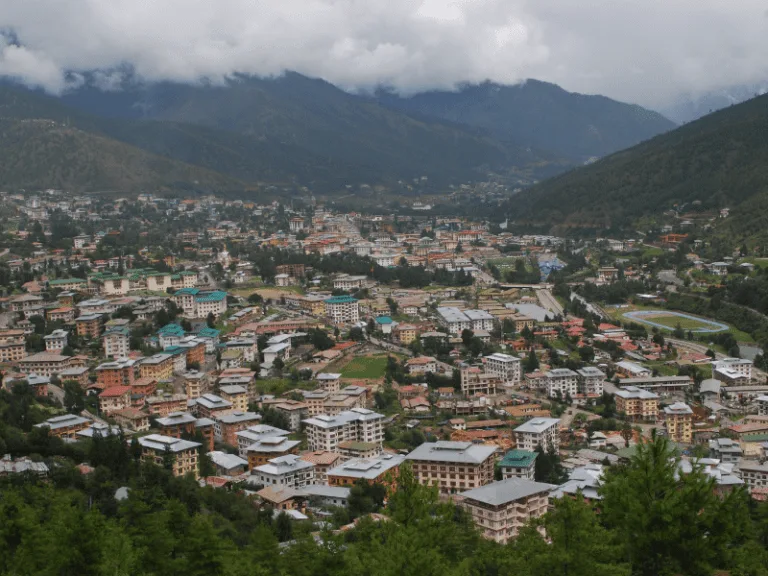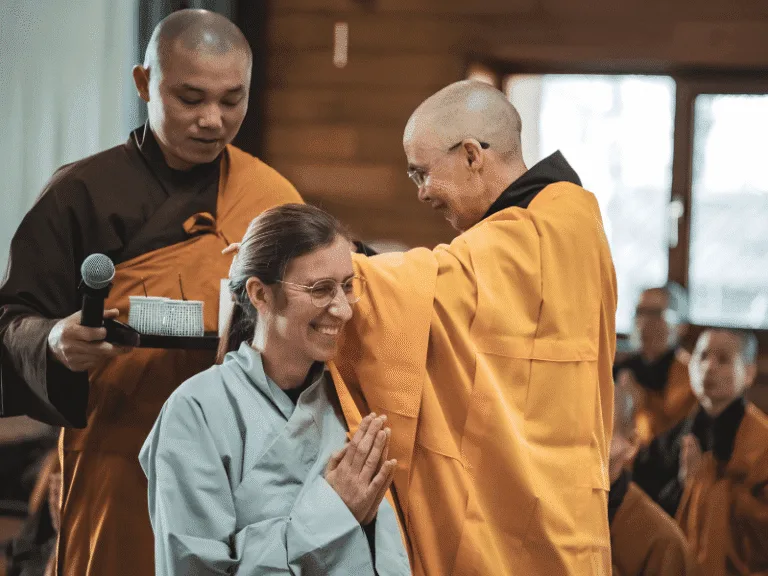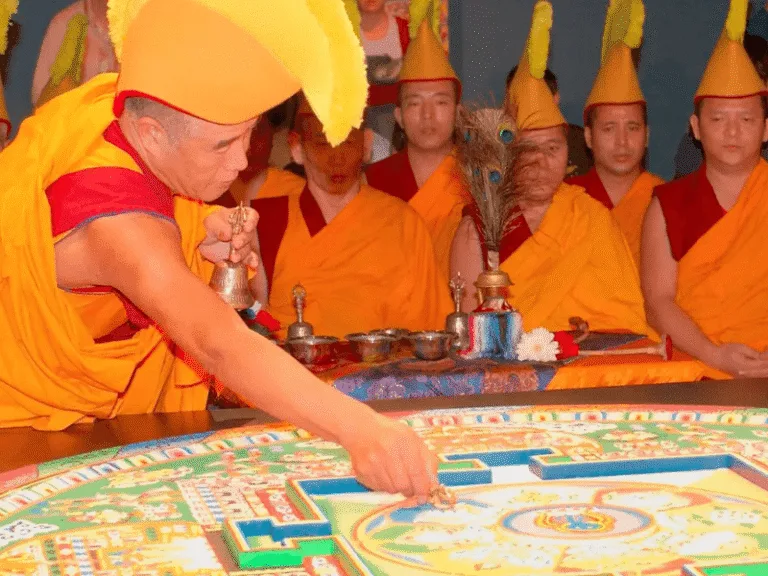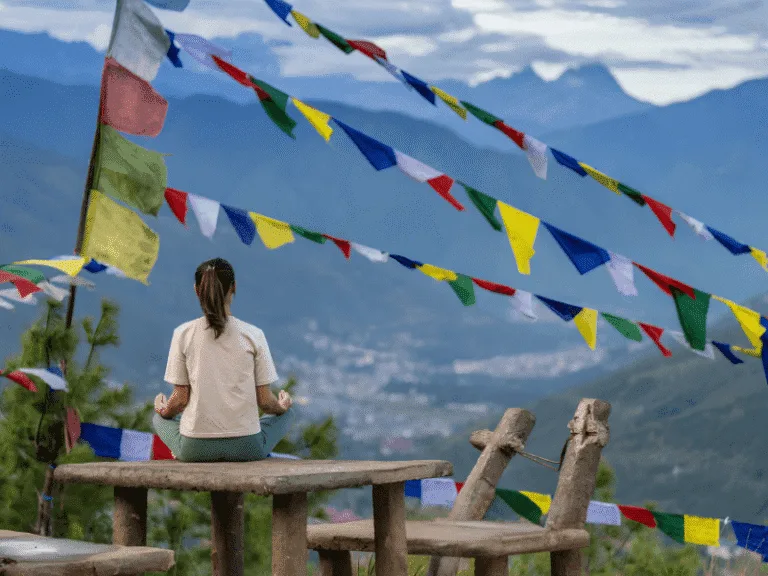
Bhutan Cultural Tours — Discover the Spiritual Heart of the Himalayas

Bhutan Cultural Tours offer immersive experiences in a rare kingdom where ancient Buddhist traditions are still living, breathing, and deeply personal. We welcome travelers to discover Bhutan’s rich culture and traditions, ancient heritage, and scenic beauty through the eyes of Bhutanese people who call this kingdom home.

Contact form 2
Bhutan Cultural Tours — Discover the Spiritual Heart of the Himalayas

Bhutan Cultural Tours — Discover the Spiritual Heart of the Himalayas

Bhutan is a destination that is like no other place on earth. Bhutan Cultural Tours offer immersive experiences in a rare Himalayan kingdom where ancient Buddhist traditions are not preserved behind museum glass — they are alive, active, and woven into the fabric of every morning prayer, every meal, every building, and every human interaction. When you walk through a Bhutanese village, you are not visiting a heritage site. You are stepping into a civilization that has consciously chosen to remain itself.

At Team Bhutan, we have carefully crafted our Bhutan Cultural Tours to allow our visitors to fully immerse in our Bhutanese culture and traditions. Whether you are interested in visiting fortress monasteries, attending a centuries-old Tshechu festival, learning to weave alongside a master artisan, or sharing butter tea with a farmhouse family in Bumthang — our cultural journeys are built around authentic human connection, not a checklist of landmarks.

“Our day-to-day lives, to reiterate, it’s Buddhism — mindfulness, sustainability, a sense of spirituality and compassion. Many of our guests come here and say: my goodness, your guides are so compassionate, so kind. We are born, bred and raised that way.”

— Bhutanese Tourism Professional, on Bhutan’s cultural identity

If you would like to take part in a journey that is more than a visit — that is a transformation — and combines living Bhutanese culture with the most breathtaking Himalayan landscapes on the planet, a Bhutan Cultural Tour with Kingdom of Happiness is the best way to experience the Land of the Thunder Dragon.

Why Choose Bhutan Cultural Tours?

1

The Last Living Vajrayana Buddhist Kingdom

Bhutan is the only remaining kingdom where Tantric Buddhism — Vajrayana — is the living state religion, shaping governance, architecture, education, festivals, and daily life for over 75% of the population. This is not nostalgia. It is the present.

2

Handpicked Destinations & Hidden Gems

Beyond Tiger's Nest and Thimphu, we know Bhutan deeply — Haa Valley, the Phobjikha wetlands, Bumthang's ancient temples, Lhuentse's weaving villages, Eastern Bhutan's Trashigang. Places most tours never reach, and which our guides call home.

3

Direct Cultural Access Unavailable Elsewhere

Our Bhutanese guides arrange monastery interactions, village family visits, craft demonstrations with master artisans, and monk conversations that simply cannot be booked through any international platform. These moments come from relationships built over 20 years.

4

Authentic Bhutanese Villages

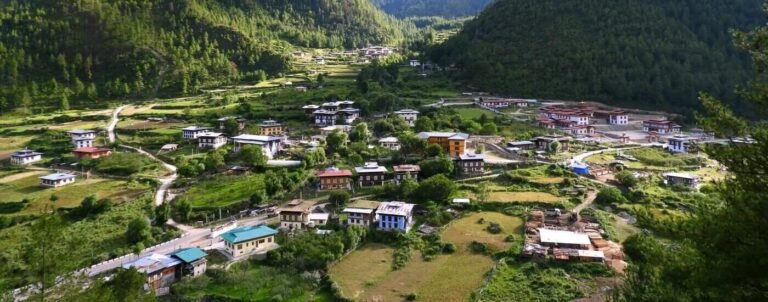
Bhutan's villages remain some of the most authentic in Asia. Farmhouses are painted with sacred symbols, grain stores bear protector deities, and the rhythm of community life — cooperative farming, shared festivals, neighborhood archery — has not been replaced by the pressures of mass tourism.

5

Unique Bhutanese Arts & Traditions

Cultural tours in Bhutan are not complete without experiencing the Zorig Chusum — the 13 traditional arts and crafts, from thangka painting to weaving to bronze casting, still taught and practiced in unbroken lineages stretching back to the 15th century.

6

Gross National Happiness is Real

Visitors consistently report something they struggle to name — a quality of stillness, generosity, and genuine human warmth they have not encountered in other destinations. This is the lived expression of Bhutan's GNH philosophy, and it is the most powerful cultural experience of all.

467

Cultural Expeditions

97%

Traveler Satisfaction

75%

Bhutanese Buddhist

13

Traditional Arts

Why Choose Bhutan Cultural Tours with Kingdom of Happiness?

What Makes Our Bhutan Cultural Tours Different?

When you travel for culture, the difference between a memorable experience and a forgettable one lies entirely in who you travel with. Here is why our cultural tours create experiences that stay with people for the rest of their lives.

01

Officially Licensed Bhutan Tour Operator

We hold a TCB licence, active since 2018. This is not a booking intermediary — we are a Bhutanese-owned, government-licensed tour company. Every guide, driver, and planner on your trip is Bhutanese. Your experience flows directly from people who live this culture, not from those who have studied it secondhand.


02

100% Customized Bhutan Cultural Tours

Passionate about thangka painting? We arrange a private session with a master painter at the National Institute of Zorig Chusum. Interested in weaving? We take you to Khoma village in Lhuentse, where the most prized Bhutanese textiles are still produced on handlooms. Every tour is built around your specific cultural interests — not a template.

03

Hassle-Free Bhutan Visa & Permits

Our guests arrive focused entirely on cultural immersion — not paperwork. We handle your complete Bhutan tourist visa ($40), SDF payment coordination, and all internal permits for restricted areas including Haa Valley and Eastern Bhutan’s Merak-Sakteng region, which requires special trekking permits and is one of the most culturally extraordinary destinations in the country.

04

Transparent Bhutan Trip Cost

Cultural immersion should never come with hidden costs. Every quote we send itemizes your full trip: SDF ($100/night), visa fee, accommodation, all meals, guide, vehicle, and entry fees. What you see is what you pay — guaranteed in writing, before you confirm anything.

05

Handpicked Destinations & Hidden Gems

Beyond the well-trodden path of Paro–Thimphu–Punakha lies an even richer Bhutan — Bumthang’s 7th-century temples, the rarely-visited Haa Valley with its sacred white and black temples, the weaving villages of Lhuentse, and eastern Bhutan’s Trashigang, where culture exists in a form closer to ancient Bhutan than anywhere in the west of the country.

06

Sustainable & Responsible Tourism

Our cultural tours are built on a principle of giving back. We prioritize local family guesthouses over chain hotels, support village artisan markets over tourist souvenir shops, and arrange monastery donations that directly fund community programs. Cultural tourism, done correctly, preserves the very thing you came to witness. 

Highlights of Bhutan Cultural Tours

Discover the living traditions, sacred monasteries, and vibrant festivals that make Bhutan one of the most unique cultural destinations in the world.

Bhutan is deeply rooted in Vajrayana Buddhism, and monasteries are an important part of everyday life.

The most famous monastery in Bhutan is:

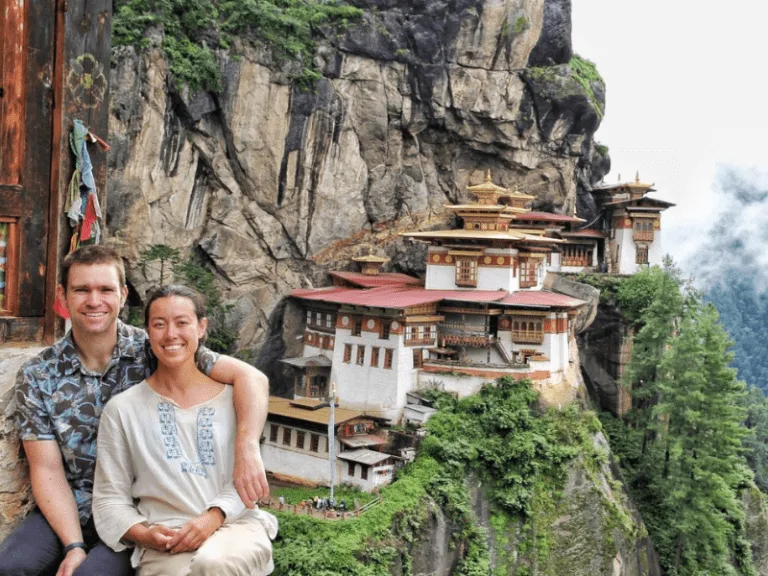
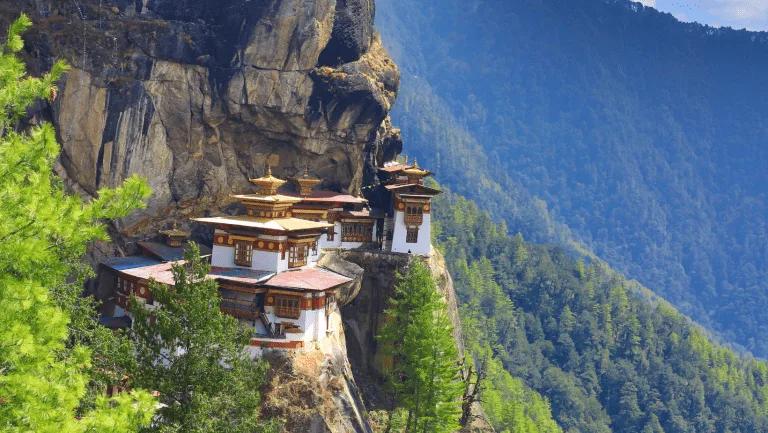
Paro Taktsang (Tiger’s Nest Monastery)

Perched dramatically on a cliff 900 meters above the Paro Valley, this sacred monastery is one of Bhutan’s most iconic cultural landmarks.

Other important cultural sites include:

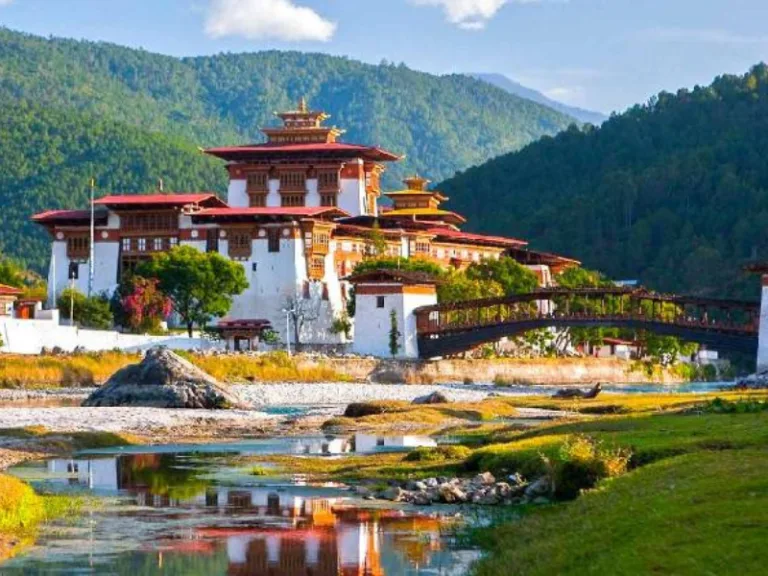
  • Punakha Dzong – Known as the most beautiful fortress in Bhutan

  • Tashichho Dzong – The administrative and religious center of Bhutan

  • Jambay Lhakhang – One of the oldest temples in Bhutan

These sacred places allow visitors to experience the spiritual heritage of Bhutan.

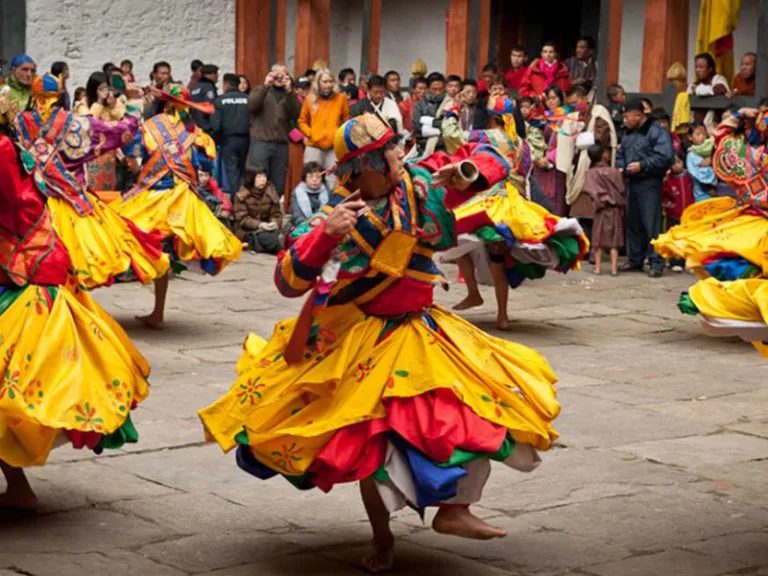
One of the highlights of Bhutan Cultural Tours is attending traditional religious festivals known as Tshechu.

Popular festivals include:

  • Paro Tshechu

  • Thimphu Tshechu

  • Jambay Lhakhang Drup

During these festivals, monks and dancers perform sacred Cham mask dances, which represent Buddhist teachings and spiritual stories. Locals gather in traditional dress to celebrate, pray, and receive blessings.

For travelers, these festivals provide an unforgettable cultural experience.

Bhutan cultural tours also offer visitors the opportunity to experience authentic village life.

Travelers can:

  • Visit traditional farmhouses

  • Taste authentic Bhutanese cuisine

  • Learn about farming traditions

  • Interact with local families

Some of the most beautiful cultural valleys include:

  • Phobjikha Valley

  • Bumthang Valley

  • Haa Valley

These valleys are rich in culture and offer peaceful landscapes surrounded by Himalayan mountains.

Bhutan is famous for its traditional arts known as Zorig Chusum (13 Traditional Arts).

Visitors on Bhutan cultural tours can discover:

  • Thangka painting

  • Traditional wood carving

  • Handwoven textiles

  • Handmade paper

  • Mask making

  • Traditional embroidery

Craft markets and cultural centers in Thimphu and Paro are great places to see these traditional arts.

🏯

Experience Bhutan Cultural Festivals

Witness living Tshechu festivals where masked Cham dances honor Guru Rinpoche — spiritual events attended by Bhutanese communities from across the kingdom, not staged performances for tourists.

🏡

Explore Traditional Bhutanese Villages

Stay in authentic farmhouses, share meals with local families, help with farm work in season, and experience the unhurried rhythm of Bhutanese village life — a rhythm guided by Buddhism, not commerce.

🎨

Discover the Numerous Arts & Crafts

Meet master artisans at their workshops — thangka painters, loom weavers, wood carvers, and clay sculptors — and participate in hands-on sessions with the 13 traditional arts still practiced in living lineages.

⛰️

Explore the Spectacular Himalayan Scenery

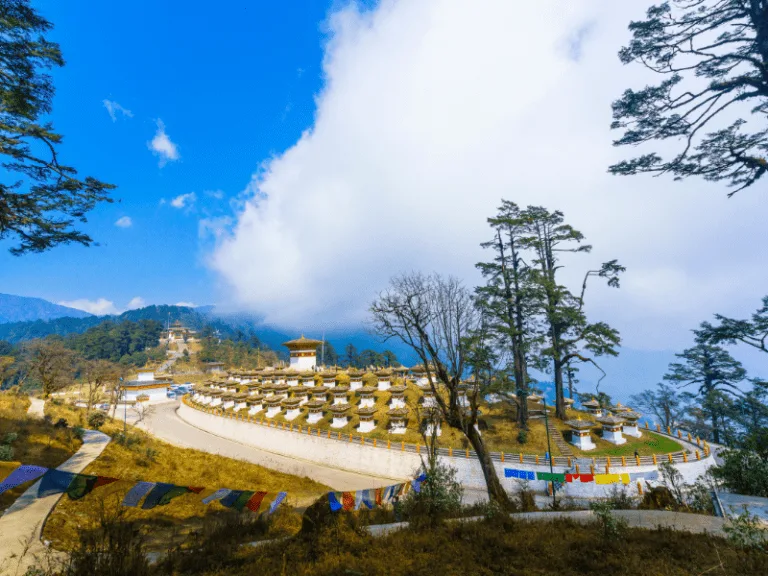
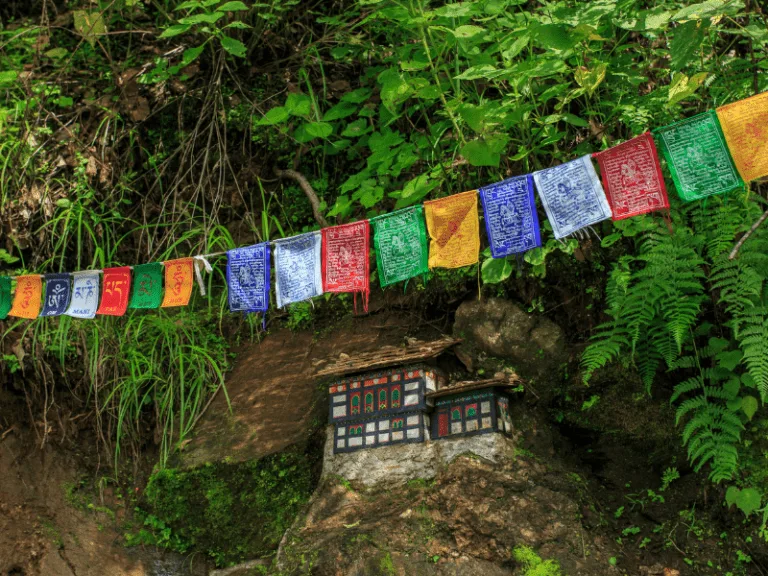
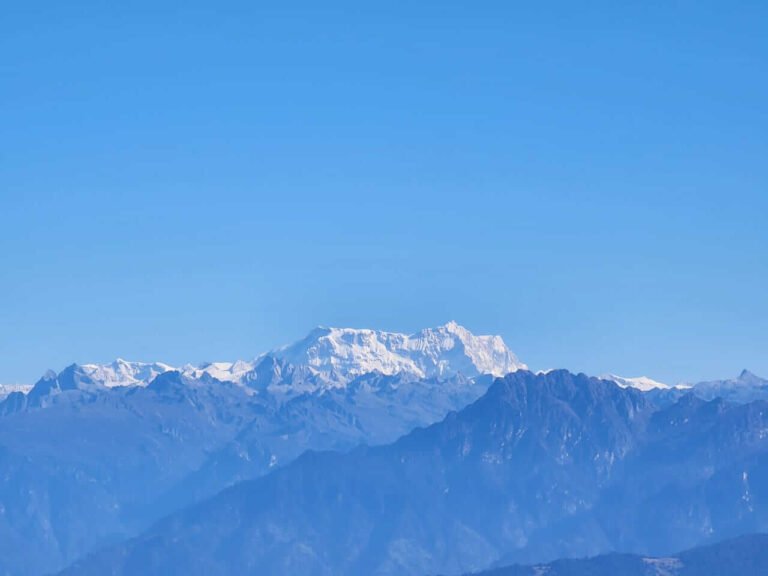
Bhutan's cultural landscape is inseparable from its natural setting. Prayer flags above mountain passes, monasteries on cliffsides, dzongs at river confluences — the geography and the spirituality are one.

Popular Bhutan Cultural Tours 

Bhutan Cultural Tour Packages

At Tours Bhutan, we offer different cultural tour packages designed for international travelers.

7 Days / 6 Nights

Bhutan Honeymoon Tours

Discover love in Bhutan — luxury stays, peaceful retreats, and memories to cherish forever.

Paro, Punakha, Thimphu

7 Days / 6 Nights

From USD $1,400

10 Days - 9 Nights

10 Days Bhutan Pilgrimage Tour

Experience Bhutan’s sacred heart — a 10-day pilgrimage across temples, monasteries, and spiritual landscapes.

Paro–Thimphu–Punakha–Phobjikha–Bumthang

10 Days

From USD $1,980

6 Days / 5 Nights

6 Days Bhutan Pilgrimage Tour

Discover Bhutan’s spiritual treasures in 6 days — temples, monasteries, and peaceful Himalayan landscapes.

Paro, Thimphu

6 Days / 5 Nights

From USD $1,180

6 Days / 5 Nights

6 Days Bhutan Cultural Tour

Experience Bhutan’s rich traditions, majestic monasteries, and stunning Himalayan landscapes in a perfectly crafted five-day cultural journey.

Paro Taktsang hike, Thimphu city tour, Punakha Dzong visit, Cultural village experiences

6 Days / 5 Nights

From USD $1,450

5 Nights Yoga Tour in Bhutan

6 Days / 5 Nights

Yoga Tour 5 Nights Tours

Yoga Tour 5 Nights in Bhutan combines yoga, meditation, wellness experiences, and Himalayan serenity for a refreshing and transformative journey.

Paro · Thimphu · Punakha

6 Days / 5 Nights

From USD $1,450

11 Days / 10 Nights

11 Days Bhutan Cultural Tour

Discover the true essence of Bhutan as you explore ancient monasteries, majestic dzongs, traditional villages, and breathtaking Himalayan landscapes over ten unforgettable days.

Paro and Thimphu, Punakha Valley, Phobjikha Valley, Bumthang spiritual temples, Local cultural experiences

11 Days / 10 Nights

From USD $2,580

7 Days / 6 Nights

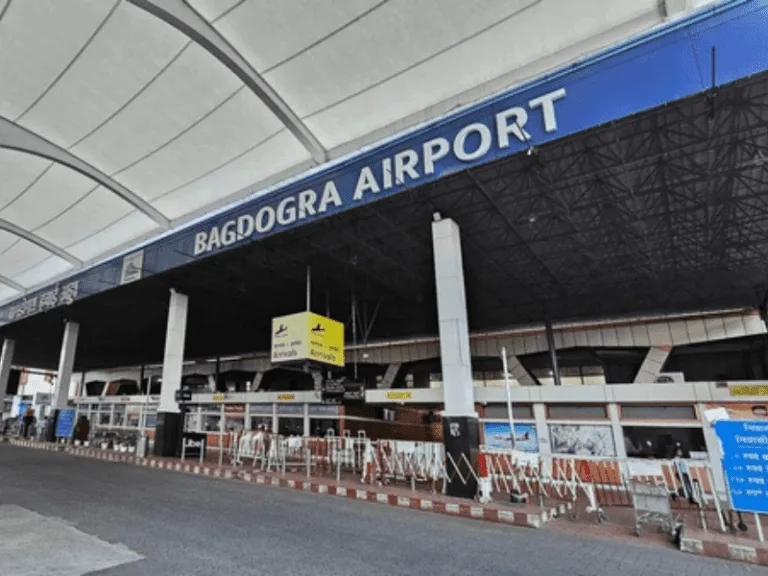
7 Days Bhutan tours from Bagdugra India

Experience Bhutan’s rich culture and stunning landscapes on a 7-day guided itinerary from Bagdogra.

Chukha, Paro, Thimphu

7 Days / 6 Nights

From ₹48,500

13 Days / 12 Nights

13 Days Bhutan Tour from India

Discover Bhutan’s rich heritage and breathtaking scenery on an 8-day guided tour from India.

Chukha, Paro, Thimphu

13 Days / 12 Nights

From ₹62,500

Live Like a Monk

10 Days / 9 Nights

Live Like a Monk in Bhutan

Live Like a Monk in the Kingdom of Bhutan with meditation, monastery stays, spiritual teachings, and authentic Himalayan experiences.

Paro · Thimphu · Punakha · Phobjikha

10 Days / 9 Nights

From USD 2,000

Gross National Happiness — The Philosophy Behind the Culture

Why Bhutan Measures Happiness,
Not GDP

In 1972, Bhutan’s fourth King — His Majesty Jigme Singye Wangchuck — coined the term Gross National Happiness (GNH), proposing that Gross National Product was an insufficient measurement of a nation’s progress. His argument was simple and radical: that the purpose of governance is the happiness and wellbeing of citizens, not the accumulation of material wealth. He then embedded this philosophy directly into Bhutan’s constitution.

This is not a marketing slogan. GNH is structural. Walk through any Bhutanese village and you feel it: a quality of harmony in how people live, eat, gather, and pray. Bhutanese culture is not performative. It is deeply purposeful, rooted in community and compassion — the natural expression of a society where more than 75% of the population practices Tantric Buddhism, which considers craving itself the root cause of unhappiness.

What visitors experience as Bhutan’s “quiet magic” is not an accident of geography or underdevelopment. It is the visible result of centuries of Buddhist philosophy applied to daily life, amplified by a government that actively measures psychological wellbeing, cultural vitality, environmental conservation, and time balance as indicators of national success.

GNH has four pillars, nine domains, and 72 specific indicators. Bhutan ranked first in Asia and eighth in the world in early happiness indexes — at a time when its GDP ranked 137th globally. This contradiction is the heart of what makes Bhutan’s culture so extraordinary, and so worth traveling to understand in person.

Pillar 1: Sustainable Development

Economic growth that preserves and strengthens — rather than erodes — Bhutan's cultural identity, natural environment, and social fabric. Bhutan is the world's first carbon-negative country, absorbing more CO₂ than it produces.

Pillar 2: Cultural Preservation

Bhutan's constitution mandates that national dress (Gho for men, Kira for women) be worn at all official and public functions. Dzongkha is the national language taught alongside English. The 13 Zorig Chusum arts are government-funded and taught to selected students from across the country.

Pillar 3: Environmental Conservation

The constitution mandates that at least 60% of Bhutan's land remain under forest cover permanently. Over 40% of territory is designated protected national parks. Bhutan's wildlife — tigers, snow leopards, takins, black-necked cranes — thrives accordingly.

Pillar 4: Good Governance

Bhutan's "High Value, Low Volume" tourism policy is itself a governance decision rooted in GNH — ensuring that tourism contributes to national wellbeing rather than undermining the cultural authenticity that makes the country worth visiting at all.

Bhutan Traditional Cuisine — A Cultural Experience Itself

Taste Bhutan — Traditional Cuisine as Cultural Immersion

No cultural tour is complete without eating what the people eat. Bhutanese cuisine is simple, warming, intensely flavored, and deeply communal — an expression of high-altitude farming life and Buddhist values around food as nourishment rather than performance.

🌶️

Ema Datshi

Bhutan’s national dish — whole chillies (Ema) stewed with yak or cow cheese (Datshi) into a fiery, rich stew eaten with red rice at almost every meal. Deceptively simple; profoundly satisfying. The first bite is a cultural initiation.


🍖

Phaksha Paa

Pork strips stir-fried with dried red chillies and vegetables — a winter staple in Bhutanese farmhouses. The dried chilli provides a completely different heat to fresh — smoky, deep, slow-building. Served with buckwheat pancakes in some valleys.

🍵

Suja (Butter Tea)

Salted tea churned with yak butter and milk — one of the most misunderstood drinks in travel. It is not sweet; it is savory, warming, and deeply sustaining at altitude. Sharing a cup of butter tea with a Bhutanese family is a cultural handshake. 

🌾

Bumthang Red Rice

Bhutan’s staple grain — a reddish, slightly nutty medium-grain rice grown in Bhutan’s mountain valleys, especially Paro and Bumthang. Rich in minerals, it pairs with every dish and is increasingly sought by international food communities for its nutritional profile.

Cultural Etiquette — How to Be a Respectful Guest

Bhutan Cultural Etiquette — How to Show Respect in a Sacred Kingdom

Bhutan operates a code of formal etiquette called Driglam Namzha, which governs everything from dress to posture to how one addresses elders. Our guides brief you fully before each cultural visit — these simple guidelines will ensure every interaction deepens your connection rather than creating distance.

✓ What to Do

  • Dress modestly — long pants/skirts and covered shoulders at dzongs, monasteries, and festivals. Scarves available to borrow at most sites.
  • Remove shoes before entering monastery prayer halls and many traditional homes. Your guide will always prompt you.
  • Circumambulate (walk around) chortens, monasteries, and sacred objects clockwise — the direction of the dharma.
  • Accept butter tea or food offered by a host with both hands or your right hand — receiving with one hand (especially left) is impolite.
  • Ask your guide before photographing inside monasteries, during ceremonies, and before photographing individuals — especially monks and elderly people.
  • Make a small offering (donation box) when visiting an active monastery or temple. This directly supports the monastic community.
  • Speak softly inside monastery courtyards and meditation halls — these are active places of prayer and practice.
  • When meeting a senior monk or lama, bow slightly with hands pressed together (Namaste) as a sign of respect.

✗ What to Avoid

  • Never touch religious objects, butter lamp offerings, or statues unless specifically invited to do so. This includes prayer wheels in monastery courtyards (though you may spin them if you see others doing so).
  • Do not point at people, religious images, or sacred objects with your finger — use an open hand or nod of the head instead.
  • Avoid turning your back directly to a religious image or altar while in a temple interior. Back out respectfully if possible.
  • Don’t offer or accept anything with your left hand — in Buddhist culture, the left hand is considered impure.
  • Never sit with the soles of your feet pointed toward a religious image, altar, or senior person.
  • Avoid visiting monasteries or dzongs during your own illness, particularly skin conditions, as it is considered spiritually inappropriate.
  • Do not wear short shorts, sleeveless tops, or revealing clothing at cultural sites. Even in warm weather, Bhutan’s sacred spaces require modest dress.
  • Never litter in Bhutan. Environmental stewardship is taken extremely seriously — Bhutan is constitutionally required to maintain 60% forest cover.

Testimonials

What our travelers say

Real travelers. Real stories. Real reasons to trust us.

Best Time for a Bhutan Cultural Tour

Best Time to Visit Bhutan for a Cultural Tour

Every season in Bhutan offers something culturally unique. Here is what you gain — and what to consider — in each.

🌸

Spring

March · April · May

Peak season for cultural tours. Rhododendrons bloom across hillsides in extraordinary color. The Paro Tshechu (Mar 29–Apr 2, 2026) draws thousands of Bhutanese pilgrims and international visitors. Book accommodation 4–6 months ahead.


🌧️

Monsoon

June · July · August

The lowest tourist numbers mean the most authentic cultural interactions — you are not competing for space at monasteries or festivals. Bhutan’s countryside turns intensely lush and green. Some mountain roads close. Prices are lowest.

🍂

Autumn

September · October · November

The other peak season — crystal-clear skies for photography, the Thimphu Tshechu (Sep 21–23, 2026), harvest season ambiance, and the arrival of Black-necked Cranes in Phobjikha (November). October is the most popular single month — book 3–6 months ahead.

❄️

Winter

December · January · February

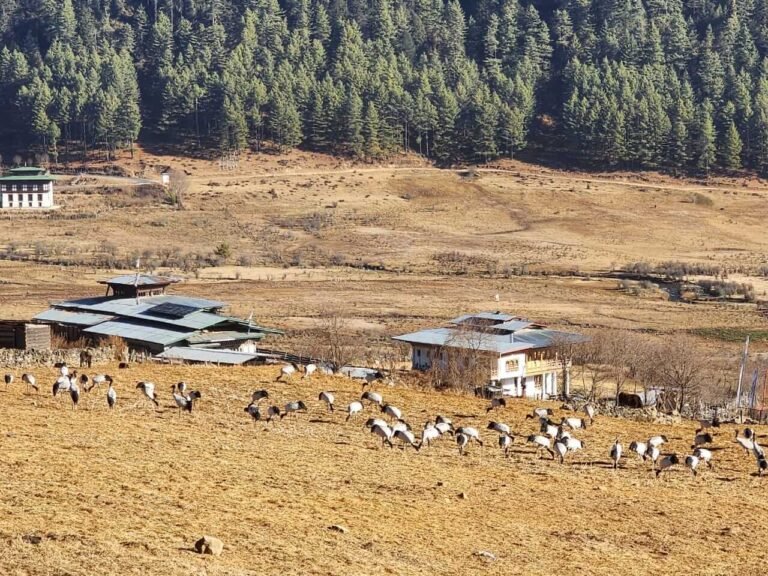
Fewer tourists mean more personal cultural interactions. Snow-capped peaks provide dramatic photography. The Punakha Tshechu (Feb 27–Mar 1, 2026) at Punakha Dzong — winter’s most beautiful festival — is one of Bhutan’s most moving cultural experiences. Black-necked Cranes remain in Phobjikha.

Frequently Asked Questions About Bhutan Cultural Tours

Honest answers from our Bhutanese team — the people who will actually be guiding your cultural tour.

Bhutan is the last remaining Vajrayana Buddhist kingdom — the only country where Tantric Buddhism is the living state religion, shaping governance, festivals, architecture, dress, language, and daily life. Over 75% of the population practices this tradition. The concept of Gross National Happiness means government policy actively protects cultural vitality as a national priority. The result is a country where culture has not been commodified, diluted, or performed for tourists — it simply continues, as it has for over 1,200 years.


For festival experiences: Spring (March–May) for Paro Tshechu and Autumn (September–November) for Thimphu Tshechu. For quiet cultural immersion without festival crowds: Winter (December–February) is extraordinary — fewer tourists, Punakha Tshechu in February, Black-necked Cranes in Phobjikha, and snow-dusted mountain panoramas for photography. Every season carries cultural depth.

Yes — and we consider this one of the most valuable additions to any Bhutan cultural tour. Farmhouse stays (especially in Bumthang, Haa Valley, and Phobjikha) put you in direct contact with Bhutanese family life — sharing meals cooked over wood fires, learning to make butter tea, hearing stories told across generations. We partner with approved homestay families who have participated in our cultural exchange program for years. Tell us at booking and we incorporate it.

Yes — and we strongly encourage it. Bhutan’s Tshechu festivals are the most powerful cultural experiences available to visitors anywhere in the Himalayas. Key 2026 festival dates: Punakha Tshechu (Feb 27–Mar 1)Paro Tshechu (Mar 29–Apr 2)Ura Yakchoe (Apr 28–May 2)Thimphu Tshechu (Sep 21–23), and Jambay Lhakhang Drup (Oct 26–29). For any festival tour, book accommodation at least 4 months in advance — hotels fill completely.

At dzongs, monasteries, and festivals: long pants or skirts below the knee, covered shoulders. Men must wear a traditional Kabney scarf (white or colored, indicating rank) when entering dzongs — these are available to borrow at all major sites. Footwear is removed before entering all monastery prayer halls. Our guides carry spare scarves and provide briefing before every cultural visit so you are always appropriately dressed without having to think about it.

Absolutely. We pace every tour to the group — there is no fixed walking speed or mandatory activity level. The Tiger’s Nest hike is the only truly demanding physical experience (2–3 hours, 4km), and alternatives (horse-riding partway, or a viewpoint visit) are available for those who prefer not to hike. Children are genuinely welcomed in Bhutan — monk interactions, archery practice, butter lamp ceremonies, and traditional cooking sessions all appeal strongly to younger travelers. Children under 5 pay no SDF; ages 6–11 pay 50%.

Plan Your Bhutan Cultural Tour Today

Providing the right travel company is essential for an unforgettable and personalized Bhutan cultural journey. At Team Bhutan, we are dedicated to providing you with the highest quality of service, professional local guides, cultural sensitivity, and transparent pricing.

Plan Your Bhutan Cultural Tour Today

Plan Your Bhutan Cultural Tour Today

Bhutan is a destination which will awe you with its incredible scenery, beautiful monasteries, rich culture, and genuine human warmth. Kingdom of Happiness Tours offers a truly unforgettable Bhutan cultural experience with carefully designed journeys that discover the spiritual heart of the Himalayas.

Complete the form below and our Bhutanese cultural team will respond within 24 hours with a personalized itinerary and transparent cost breakdown — completely free, no obligation.

Customize My Bhutan Tour

Free personalized itinerary & Bhutan tour quote in 24 hours

Contact form 2